

Your Orthodontic Treatment Timeline Explained
Braces treatment duration varies from person to person, but most patients wear braces for somewhere between 12 and 24 months.
Key Takeaways
- Most people wear braces for an average of 12 to 24 months, although individual needs vary.
- Mild alignment issues may be suitable for shorter treatment periods ranging from 6 to 12 months.
- Poor patient compliance, such as skipping rubber bands, may extend the timeline by an average of 3.7 months.
- Adult treatment may take 20 to 25 percent longer than adolescent treatment due to higher bone density.
- Book an initial consultation to receive a personalised clinical timeline.
Here is a quick overview:
| Case Complexity | Typical Duration |
|---|---|
| Mild (minor crowding or spacing) | 6 to 12 months |
| Moderate (bite issues, moderate crowding) | 12 to 18 months |
| Complex (severe crowding, jaw alignment) | 18 to 30+ months |
| Average adult treatment | Around 22 months |
| Average adolescent treatment | Around 18 months |
There is no single fixed answer. Your timeline depends on the complexity of your alignment, your age, the type of appliance you choose, and how closely you follow your orthodontist’s instructions.
What most people want to know upfront is simple: how long will this actually take? The honest answer is that a reliable estimate only comes after a proper clinical assessment. General ranges are useful for planning, but they are not a substitute for a personalised treatment plan.
I am Dr Nick, a Specialist Orthodontist with over 30 years of experience and founder of NK Orthodontist in Brisbane. Across more than 11,500 patients treated, braces treatment duration is consistently one of the first questions I am asked at an initial consultation. In this guide, I will walk you through everything that shapes your timeline so you can go into treatment with clear, realistic expectations.
Average Braces Treatment Duration and Expectations
When we discuss the typical treatment times, we generally look at a window of 12 to 24 months. While some simple cases may finish sooner, most people find that 18 months is the “sweet spot” for achieving a functional and stable result.
The biological process of moving teeth cannot be rushed without risking the health of the roots and the surrounding bone. We apply gentle, steady forces to encourage the bone to remodel around the new position of the tooth. This process takes time to ensure the teeth remain stable once the braces are eventually removed.
Understanding the General Timeline
For most patients in our Chermside and Spring Hill clinics, the clinical range for treatment is between one and three years. This wide range exists because every mouth is unique. A patient requiring minor alignment of the front teeth will have a much shorter schedule than someone needing significant bite correction or the management of impacted teeth.
Our braces services are designed to address these varying needs through a structured plan. We focus on ensuring that the teeth not only look aligned but also function correctly together, which often dictates the final length of the treatment.
Factors Influencing Your Braces Treatment Duration
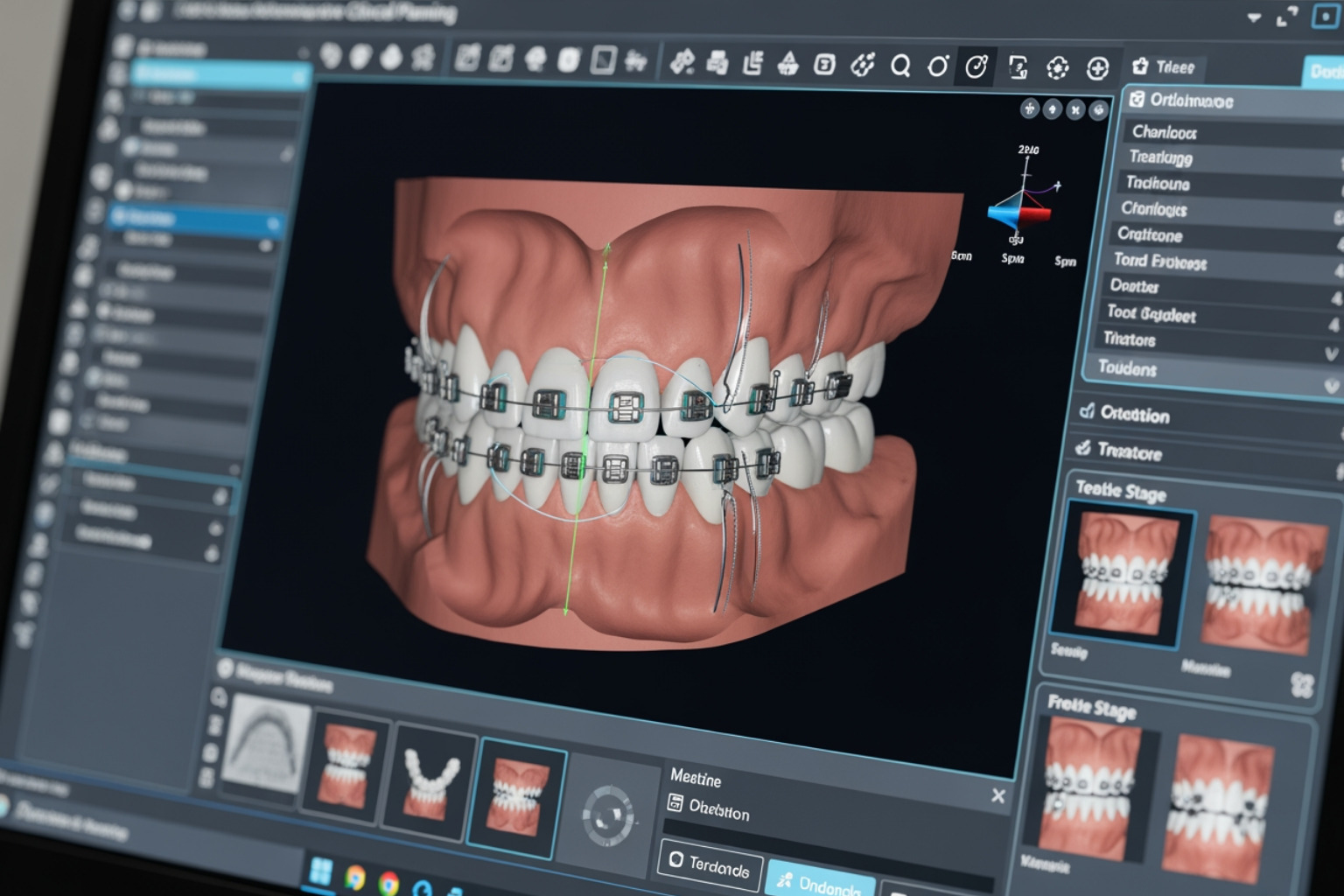
Several variables influence how quickly your teeth respond to orthodontic force. Understanding these factors helps manage expectations from the first day of your treatment.
Biological Factors and Age
Age plays a significant role in how teeth move through the jawbone. Adolescents are often in a phase of active growth, meaning their jawbones are less dense and more responsive to change. This is why the average treatment for a teenager is often around 18 months.
Adults, however, have fully developed, denser bone structures. This density means the bone remodeling process occurs at a slightly slower rate. On average, adult treatment takes about 22 months, which is roughly 20 to 25 percent longer than adolescent cases. We offer early intervention for children to address certain skeletal developments while the jaw is still growing, which may help simplify later treatment.
Severity of Dental Misalignment
The starting point of your teeth is the primary driver of the braces treatment duration. We categorise cases into three levels of complexity to help estimate the time required.
| Severity | Clinical Characteristics | Estimated Duration |
|---|---|---|
| Mild | Minor crowding, small gaps, no bite issues | 6 to 12 months |
| Moderate | Noticeable crowding, mild overbite or underbite | 12 to 18 months |
| Severe | Impacted teeth, significant jaw misalignment, extreme crowding | 18 to 30+ months |
Timelines for Different Orthodontic Appliances
The type of appliance you choose can also impact the efficiency of tooth movement. While modern technology has made all options effective, some systems are better suited for specific movements than others.
Traditional Braces and Modern Alternatives
Traditional metal braces remain the industry standard for a reason. They allow for precise control over every tooth in three dimensions. On average, metal braces can move teeth at a rate of approximately 1mm per month.
Ceramic braces offer a more discreet appearance but may have a slightly different friction profile, sometimes moving teeth at a rate of 0.8mm per month. We also utilise advanced systems that can help streamline the movement process. You can learn more about these options on our Invisalign page, where we discuss how different systems compare for various clinical needs.
Clear Aligners and Specialist Systems
Clear aligners like Spark or Invisalign are popular choices for those seeking a less visible treatment. These systems are often highly efficient for mild to moderate issues, with typical timelines ranging from 12 to 18 months.
The success and speed of clear aligners depend almost entirely on patient discipline. For the treatment to stay on schedule, aligners must be worn for at least 22 hours every day. If you are interested in a more discreet option, our complete guide to invisible braces provides more detail on what to expect.
The Five Phases of the Braces Treatment Duration
Orthodontic treatment is not just one long, continuous process. It is broken down into distinct clinical phases, each with its own goals and timeframes.
From Consultation to Active Alignment
The process begins with an initial consultation and planning phase, which usually takes one or two visits. Once the plan is finalised, we schedule a 90-minute fitting appointment. During this visit, we carefully bond the brackets to your teeth and set the first archwire.
The first few months are focused on “leveling and aligning.” This is when you will notice the most visible changes as teeth begin to straighten out. You can find more information about our pricing and what is included in these initial stages on our dedicated page.
Bite Correction and the Finishing Phase
Once the teeth are relatively straight, we move into the bite correction phase. This is often the longest part of the treatment. We use various tools to ensure the upper and lower teeth fit together correctly.
- Elastics (Rubber Bands): Used to coordinate the upper and lower jaws.
- Power Chains: Used to close remaining gaps between teeth.
- Coil Springs: Used to create space where teeth are crowded.
The final three to six months are the “finishing” phase. This is where we make minute adjustments to the position of individual teeth to ensure the bite is balanced and stable.
How to Maintain Your Braces Treatment Duration Schedule
Your actions during treatment are just as important as the work we do in the clinic. Patients who follow instructions carefully are much more likely to finish their treatment on the original estimated date.
We also offer clear, upfront pricing so you can plan treatment with confidence from day one. Good oral hygiene matters just as much, because healthy gums support steady tooth movement and help keep your treatment on schedule.
Avoiding Delays and Complications
The most common reason for a delayed finish date is broken equipment. Every time a bracket is knocked off or a wire is bent by hard food, it can add one to two weeks to your total time. This is because we often have to move back to a lighter wire to realign the tooth before we can continue with the main plan.
Missing your scheduled adjustment appointments also pushes back your completion date. We typically see patients every 8 to 10 weeks to keep the pressure consistent. If you have more questions about daily life with braces, our FAQ section covers many common concerns.
Your Next Step with Dr Nick
At NK Orthodontist, we believe in a personalised approach to every smile. Dr Nick has over 30 years of experience as a Specialist Orthodontist and has personally overseen the treatment of more than 11,500 patients in Brisbane. Whether you visit us in Chermside or Spring Hill, you can be certain that Dr Nick will see you at every single appointment.
We are known for our transparent, all-inclusive pricing and our commitment to providing a professional, supportive environment for families. We do not delegate your care to assistants; you receive the full benefit of Dr Nick’s clinical expertise throughout your entire braces treatment duration.
To get a clear understanding of your own timeline and the options available to you, the best place to start is with a professional evaluation. You can also use our free online assessment for an initial clinical opinion from the comfort of your home.
Book a consultation with Dr Nick today to begin your clinical plan.
Frequently Asked Questions
How long do braces take on average?
Most patients wear braces for a period of 12 to 24 months. This timeframe allows for the biological process of bone remodeling to occur safely as teeth move into their new positions. Your specific duration depends on the complexity of your alignment and how well you follow clinical instructions.
Can braces work in 6 months or less?
Mild alignment issues may sometimes be suitable for treatment in 6 to 10 months. These cases typically involve minor crowding or small gaps that do not require significant bite correction. A specialist orthodontist must determine if a shorter timeframe is clinically appropriate for your specific dental structure.
Why does adult orthodontic treatment often take longer than for teenagers?
Adult bone structure is fully developed and denser than that of growing adolescents. This density can slow the rate of tooth movement, often adding 20 to 25 percent to the total treatment time. Teenagers also benefit from active growth plates which can make jaw positioning more efficient.
How much time do broken brackets add to the treatment?
Each incident involving a broken bracket or loose wire can potentially add 1 to 2 weeks to your total treatment time. These repairs often require the orthodontist to backtrack to a previous wire to stabilise the tooth again. Maintaining a careful diet is the most effective way to avoid these unnecessary delays.
Does Invisalign take longer than traditional metal braces?
Clear aligner treatment duration is often similar to traditional braces for mild to moderate cases, typically ranging from 12 to 18 months. Metal braces remain the most efficient option for complex cases involving significant tooth rotation or severe bite issues. Compliance with the 22-hour daily wear requirement is the primary factor in aligner speed.
What happens if I stop wearing my rubber bands?
Skipping your elastics or rubber bands can significantly extend the bite correction phase of your treatment. These tools provide the necessary force to align the upper and lower jaws correctly. Poor compliance with elastics is one of the most common reasons for treatment exceeding the original estimate.
How long must I wear a retainer after my braces are removed?
Retainers are a lifelong commitment to prevent orthodontic relapse and ensure your teeth remain in their new positions. Most patients wear clear removable plastic retainers full-time for the first 3 to 6 months before transitioning to nighttime wear indefinitely. Dr Nick also utilises fixed wire retainers bonded behind the lower front teeth for added stability.
How often are adjustment appointments required?
Adjustment visits typically occur every 8 to 10 weeks throughout the active phase of treatment. These appointments allow the specialist orthodontist to tighten wires, replace elastics, and monitor your progress against the clinical plan. Attending every scheduled visit is essential for staying on track with your estimated completion date.


