

The Biological Necessity of Orthodontic Retention
Orthodontic retention is the phase of treatment that begins the moment your braces come off or your clear aligners are complete. It is how your results are preserved long term.
Key Takeaways
- Wear your retainer for at least 22 hours per day during the first 2 to 3 months after treatment ends to support initial stabilisation.
- Research shows that patients without retainers experienced 1.3 mm of tooth irregularity after just one year, compared to 0.3 mm in those who wore them consistently.
- Most tooth movement after treatment occurs within the first ten weeks, making early compliance the most critical window.
- Nightly retainer wear is recommended indefinitely to help prevent natural, age-related shifting. Visit our FAQ for common questions about long-term wear.
- If your retainer is lost, broken, or feels too tight, contact your orthodontist promptly rather than waiting, as early action may reduce the likelihood of needing retreatment.
Quick answer: What is orthodontic retention?
- Orthodontic retention is the use of retainers (removable or fixed) to hold teeth in their new positions after active orthodontic treatment ends.
- Without retention, teeth naturally drift back toward their original positions, often within weeks.
- Most patients wear retainers full-time for the first 2 to 3 months, then nightly for life.
- Two main types are used: clear removable plastic retainers and fixed wires bonded behind the teeth.
- A tight or snug retainer after a break in wear is a sign that teeth have already begun to shift.
Getting your braces off or finishing your last aligner tray is a significant milestone. But it is not the finish line.
The bone and soft tissue surrounding your teeth need time to reorganise and stabilise around their new positions. Until that process is complete, and even after, teeth have a natural tendency to drift. That tendency does not stop with age. It continues throughout life, which is why consistent retainer wear matters for the long term.
This guide covers everything you need to know: the biology behind why retention is necessary, the types of retainers available at NK Orthodontist, how long to wear them, how to care for them, and what to do if something goes wrong.
I am Dr Nick, a Specialist Orthodontist with over 30 years of experience and the founder of NK Orthodontist in Brisbane. Across my career, I have guided more than 11,500 patients through orthodontic retention planning as an integral part of their overall treatment, not an afterthought. The sections below reflect the same practical, evidence-informed advice I give every patient at the end of their active treatment phase.
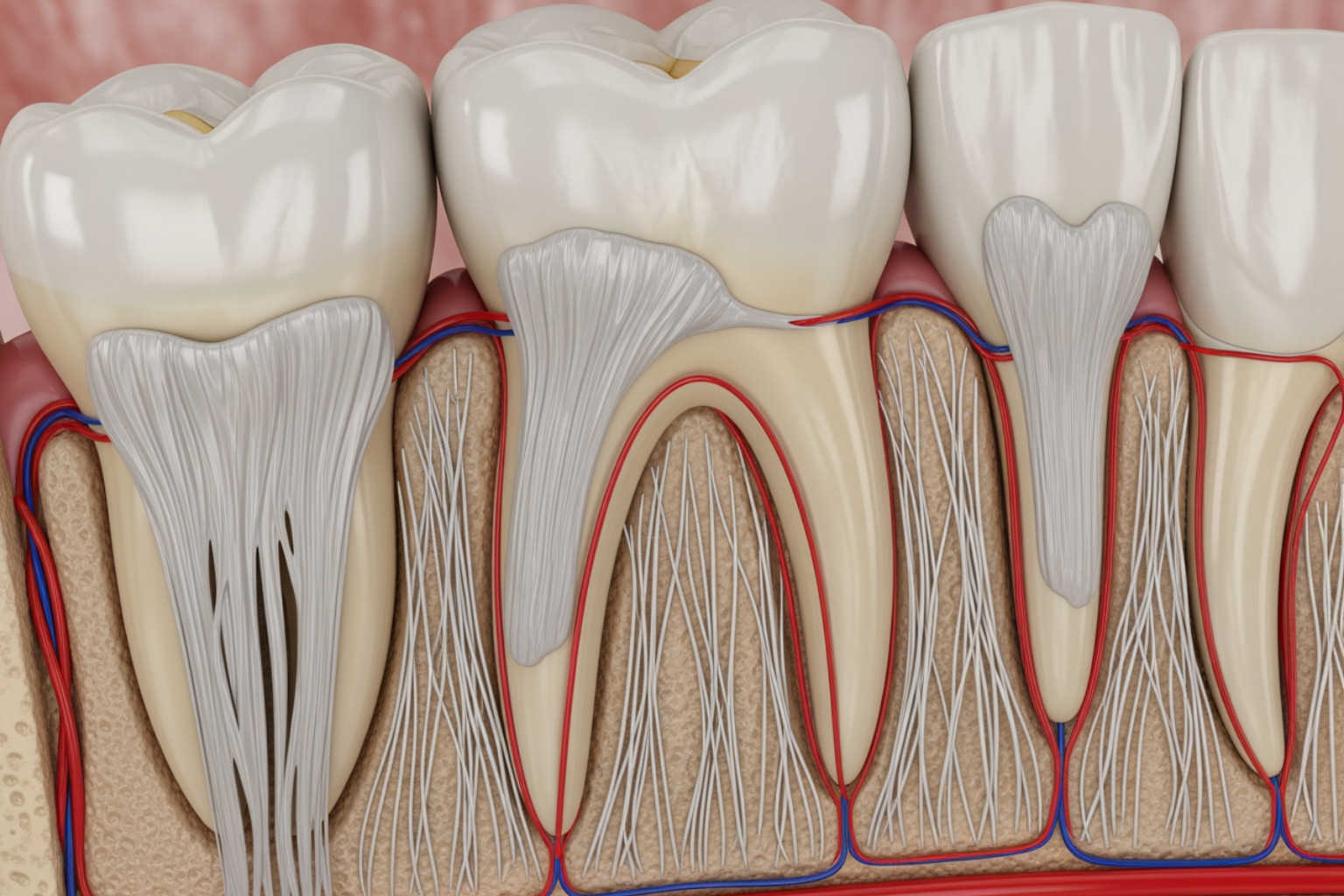
Teeth are not set in the jawbone like stones in concrete. They are held in place by a complex network of living tissues called periodontal ligaments. These ligaments act as tiny shock absorbers that connect the root of the tooth to the surrounding bone. During your treatment with braces or aligners, these ligaments were stretched and compressed to allow for movement.
When we remove the active pressure of your orthodontic appliance, these ligaments naturally want to pull the teeth back to where they used to be. This biological “memory” is the primary reason why orthodontic retention is essential. Periodontal fibres remain stretched for several months after movement stops, requiring a period of physical support to allow for proper bone remodelling.
Understanding Tooth Movement Memory
The gum tissue contains elastic fibres that act much like a rubber band. When we rotate a tooth or close a gap, these fibres are displaced. Once the braces are removed, the fibres begin to contract. Without a retainer to provide a physical barrier, this contraction can lead to early relapse. Stabilization is a slow process where the soft tissues and bone must “reset” their baseline around the new tooth positions.
Why Teeth Shift After Braces
Several factors contribute to shifting after the active phase of treatment. Ligament tension is the most immediate threat, but jawbone adaptation also plays a role. The bone surrounding the roots must increase in density to support the teeth in their new alignment. Furthermore, natural aging causes changes in the jawbone and muscle tone, which can exert new pressures on your teeth. This is why we often see minor crowding in adults who had straight teeth in their youth but discontinued retainer wear.
Types of Orthodontic Retention Systems
At NK Orthodontist, we customise your retention plan based on your original dental alignment and lifestyle needs. We manufacture our removable appliances in-house to ensure a precision fit immediately after your treatment ends. Whether you used Invisalign or traditional braces, the goal remains the same: long-term stability.
Clear Removable Plastic Retainers for Orthodontic Retention
These are slim, transparent trays that fit over the entire arch of your teeth. They are virtually invisible, making them a popular choice for patients who want to maintain their aesthetic results without visible wires. Because they cover the chewing surfaces of the teeth, they also provide a protective barrier against nighttime grinding, which can sometimes help avoid excessive tooth wear.
Fixed Wires for Orthodontic Retention
A fixed or bonded retainer consists of a thin, biocompatible wire that we attach to the back of the lower front teeth. This provides permanent stabilization in an area that is highly susceptible to crowding as we age. Because it is bonded in place, it does not require daily insertion or removal, which removes the risk of forgetting to wear it. Many patients find that they forget the wire is even there after a few days of adjustment.
| Feature | Clear Removable Retainer | Fixed Bonded Wire |
|---|---|---|
| Visibility | Virtually invisible | Hidden behind teeth |
| Compliance | Requires patient discipline | Always active |
| Hygiene | Removable for cleaning | Requires flossing tools |
| Coverage | Full arch protection | Usually 6 lower front teeth |
| Durability | May need replacement over time | Can stay for many years |
Long-Term Wear Schedules for Orthodontic Retention
The success of your treatment depends heavily on following a structured wear schedule. We provide every patient with a personalised plan, but the general milestones for orthodontic retention remain consistent for most Brisbane families. You can find more details on our FAQ page regarding specific scenarios.
The First Three Months
The first 90 days after your braces or aligners are removed are the most critical. This is the initial stabilization phase where tissue reorganization is at its peak. We typically recommend wearing your removable retainers for at least 22 hours per day during this window. You should only remove them for eating, drinking anything other than plain water, and performing your oral hygiene routine.
Transitioning to Nightly Maintenance
Once Dr Nick confirms that your bone density and tooth positions have stabilised, we will usually transition you to nightly wear. This means wearing your retainers every night while you sleep. While the frequency of wear may eventually decrease to a few nights a week for some, we recommend a lifetime commitment to nightly wear to counteract natural, age-related tooth movement. Consistency is more important than the total number of hours; missing even a few nights can cause the appliance to feel tight.
Essential Care and Maintenance for Your Retainer
Proper maintenance ensures your appliance remains hygienic and effective. Whether you are at home in Chermside or out in Brisbane, keeping your retainer in top condition is a simple daily habit.
Daily Cleaning Instructions
You should clean your removable retainer every time you take it out of your mouth. Use a soft-bristled toothbrush and mild, non-abrasive soap with cool water. Avoid using standard toothpaste on clear retainers, as the abrasive particles can scratch the plastic and make it appear cloudy. For fixed retainers, use a floss threader or interdental brushes to clean under the wire and between the bonding points. This may help reduce the likelihood of tartar buildup.
Protecting Your Appliance
One of the most common reasons for retainer replacement is accidental loss or damage. A golden rule we share with our patients is: “If it is not in your face, it should be in its case.” Never wrap your retainer in a napkin at a restaurant or school lunchroom, as it is frequently mistaken for rubbish and thrown away. Additionally, keep your appliance away from pets. Dogs are often attracted to the scent and can easily chew through the plastic or bend the wires. Finally, avoid exposing clear retainers to high heat, such as boiling water or a hot car, as this can warp the material and ruin the fit.
Managing Lost or Damaged Retainers
Accidents happen, but how you react to a lost or broken retainer determines whether your teeth stay in line. If you notice any issues, you should book a consultation immediately to discuss a replacement.
Signs You Need a Replacement
Over time, the material of a removable retainer can degrade. Look for signs such as small cracks, warping, or a loose fit. If you find that you can easily flick the retainer off with your tongue, it is no longer providing the necessary support. For fixed retainers, if you feel a sharp end or notice that the wire is no longer attached to one of the teeth, it requires professional attention to prevent that specific tooth from drifting.
What to Do if Your Retainer is Lost
If your retainer is lost, do not wait for your next scheduled check-up. Teeth can begin to shift within days of stopping wear, especially in the first year post-treatment. We use digital modelling for clinical planning, which allows us to create a new appliance efficiently. Prompt replacement is the best way to avoid the need for retreatment later in life. If your retainer feels very tight when you finally get a replacement, it is a sign that minor movement has already occurred.
Frequently Asked Questions
Why is orthodontic retention necessary after treatment?
Retention is necessary because teeth are not permanently fixed in the jawbone. They are held by periodontal ligaments that have a natural tendency to return to their original positions. Wearing a retainer allows the bone and gums to reorganise and stabilise around the new tooth positions. This phase is what ensures the work done during your active treatment remains effective over the long term.
How long do I need to wear my retainer each day?
Most patients wear their removable retainers for 22 hours a day during the first 3 months after treatment. You will eventually transition to wearing them only while you sleep. This nightly routine should continue indefinitely to help prevent natural age-related shifting that occurs in all adults. Dr Nick will monitor your progress and advise when it is safe to reduce your wear time.
What happens if I forget to wear my retainer for a few days?
You may notice that your retainer feels tight or snug when you place it back in your mouth. This sensation indicates that your teeth have already begun to shift slightly due to the pressure of the surrounding tissues. Wearing the appliance as directed will usually help guide the teeth back into their correct alignment if the movement is minor. If the retainer no longer fits at all, you must contact our practice immediately.
Can I eat while wearing my removable retainer?
You should always remove your clear plastic retainers before eating or drinking anything other than plain water. Trapping food particles or sugary liquids against your teeth can lead to enamel damage and staining. The pressure of chewing can also crack or warp the plastic material. Always store your appliance in its protective case during meals to avoid accidental loss or damage.
How do I clean a fixed bonded retainer?
Cleaning a fixed wire requires extra attention during your daily brushing and flossing routine to maintain gum health. You should use floss threaders or interdental brushes to clean the spaces between the teeth and under the wire. Regular professional dental cleanings with your general dentist are also essential to remove any tartar buildup around the bonding material. Paying close attention to these areas may help simplify your long-term oral hygiene.
What should I do if my fixed retainer wire breaks?
You must contact your orthodontist immediately if you feel a loose bond or a sharp end on your fixed wire. Leaving a broken wire unaddressed can allow specific teeth to shift out of alignment quite rapidly. Dr Nick can usually re-bond the wire quickly to maintain your results. It is important not to attempt to bend or fix the wire yourself, as this can cause further damage.
Why does my retainer feel tight even though I wear it every night?
A tight-fitting retainer is often a sign of minor tooth movement caused by late skeletal growth or changes in muscle pressure. It serves as a diagnostic tool that alerts you to wear the appliance more consistently to maintain stability. If the tightness persists or the retainer no longer fits comfortably, a clinical assessment is required to ensure no significant relapse is occurring. Regular reviews allow us to catch these minor changes early.
Are there any foods I should avoid with a fixed retainer?
You should avoid biting directly into very hard or sticky foods that could put excessive pressure on the bonded wire. Items like whole apples, crusty bread, or hard lollies can sometimes dislodge the composite material holding the wire in place. Cutting these foods into smaller pieces can help protect your appliance and ensure the wire remains secure. This simple precaution can save you an emergency trip for a repair.
Your Next Step with Dr Nick
Dr Nick brings over 30 years of experience to every patient at NK Orthodontist, ensuring that every aspect of your care is handled with specialist expertise. Our Brisbane practice focuses on transparent communication and all-inclusive plans that prioritise the long-term stability of your results. We invite you to visit our smile gallery to learn more about the types of cases we treat. If you have questions about your current retention plan or need a replacement appliance, our team is ready to assist you at our Chermside or Spring Hill locations.


