

Why Early Orthodontic Treatment Pros and Cons Matter
Understanding the early orthodontic treatment pros and cons is one of the most important steps a parent can take before committing to interceptive care for their child.
Key Takeaways
- Early clinical assessments during the mixed dentition stage allow me to monitor jaw development and identify potential alignment issues before they fully develop.
- Interceptive care may reduce the likelihood of requiring more invasive dental procedures, such as permanent tooth extractions, in later adolescent years.
- Some structural variations are highly suited to early growth-guided approaches, while other alignment concerns are best monitored until the permanent teeth have erupted.
- Scheduling an initial assessment with a specialist orthodontist helps clarify whether immediate interceptive care or ongoing observation is the most appropriate path for your child.
- Families can review our transparent, interest-free payment options on our pricing page to plan ahead with confidence.
Here is a quick overview to help you evaluate your options:
Pros of early orthodontic treatment:
- May help reduce the likelihood of more invasive procedures, such as extractions, in adolescence.
- Allows jaw growth to be guided while the facial bones are still developing.
- Can address structural issues like crossbites and underbites at a stage when the jaw is still developing.
- May simplify, or in some cases reduce the scope of, future comprehensive treatment.
- Can support healthy speech, chewing, and bite function during important developmental years.
Cons of early orthodontic treatment:
- May extend the overall period a child is under active orthodontic management.
- Requires a high level of compliance and parental supervision, particularly around oral hygiene.
- A second phase of treatment in adolescence is still commonly needed.
- Not all alignment concerns benefit from early intervention, some are better addressed once the permanent teeth have fully erupted.
- Can sometimes lead to patient fatigue when two phases of treatment are required.
The decision is rarely straightforward. Some structural concerns respond well to early growth-guided approaches. Others are best left until the permanent dentition is fully established. The key is getting an accurate, personalised assessment rather than a one-size-fits-all recommendation.
I am Dr Nick, a Specialist Orthodontist based in Brisbane with over 30 years of clinical experience and a specific interest in early orthodontic intervention for children, including navigating the genuine complexity behind early orthodontic treatment pros and cons for each individual child. In this guide, I will walk you through what the evidence says, what I observe clinically, and how to make a well-informed decision for your family.
Understanding Interceptive Orthodontics in Early Childhood
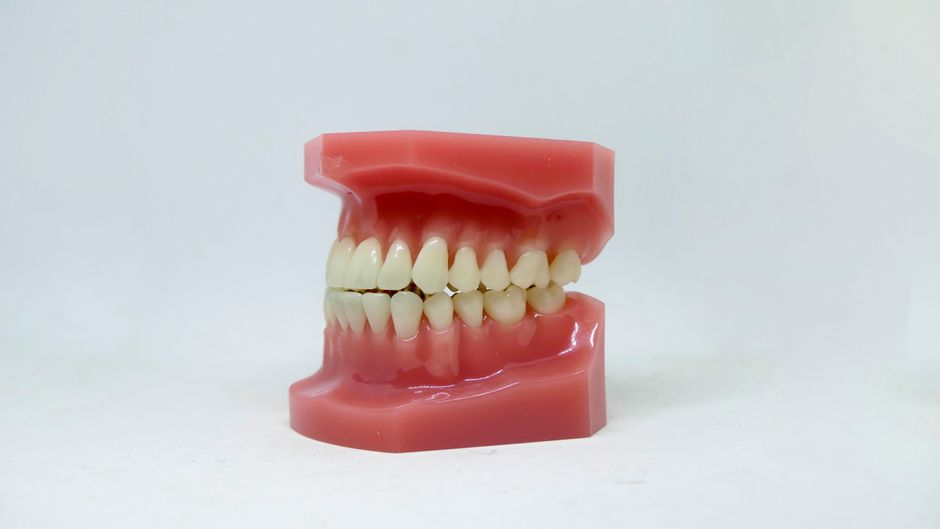
Interceptive orthodontics, which we commonly call Phase 1 treatment, is a targeted approach initiated during early childhood. This phase of care occurs when a child presents with mixed dentition, meaning they have a combination of primary baby teeth and newly erupted permanent teeth. The primary objective of this early care is to guide the growth of the dental arches and the jawbones, creating a more harmonious skeletal foundation before the remaining permanent teeth erupt.
The Australian Society of Orthodontists recommends that children have their initial orthodontic assessment around early childhood, specifically when their permanent incisors begin to erupt. This early window is highly valuable because the bones of the face and jaw are still growing and remain highly malleable. By evaluating a child at this stage, I can identify underlying structural variations that are much easier to manage now than they would be after skeletal maturity.
Most children who present for an early evaluation do not require immediate intervention. Instead, these visits allow me to establish a baseline and place the child on a periodic monitoring schedule to track their dental development. For families wanting to understand the foundational concepts of early care, my guide on Early Orthodontic Treatment 101 explains the core principles of interceptive treatment. Additionally, you can explore the structural variations we look for in my detailed breakdown of Common Orthodontic Problems and How to Take Action.
Weighing Early Orthodontic Treatment Pros and Cons
When evaluating early orthodontic options, it is essential to balance the clear clinical advantages against the practical realities of managing orthodontic appliances in young children. The decision to initiate Phase 1 treatment should always be based on specific, demonstrable structural issues rather than a generalised desire to align primary teeth. The scientific literature supports this targeted approach, showing that early intervention is highly effective for certain skeletal discrepancies but offers limited benefit for simple dental crowding.
A comprehensive review of the evidence, such as the clinical guidelines shared by the Australian Society of Orthodontists, highlights that early intervention should be reserved for specific conditions where delaying treatment would result in a more severe discrepancy. For other issues, waiting until the early teenage years to start comprehensive treatment is often more efficient. I explore this decision-making process further in my clinical article, To Brace or Not to Brace Early.
Understanding Early Orthodontic Treatment Pros and Cons for Jaw Growth
Guiding skeletal development is one of the most compelling reasons to consider early intervention. During early childhood, the sutures of the upper jaw have not yet fused, which allows us to influence the width and position of the jaw bones with highly predictable results. If we wait until adolescence, correcting these skeletal discrepancies becomes significantly more complex and may require surgical assistance.
A classic example is a posterior crossbite, which can appear while children still have baby teeth. In some cases, the bite causes the lower jaw to shift to one side so the teeth can meet comfortably. Early assessment allows me to monitor whether any functional shift is present and discuss whether intervention may be appropriate for your child, rather than assuming every crossbite needs immediate treatment.
By utilising a palatal expander during early childhood, we can gradually widen the upper jaw to correct the crossbite and allow the lower jaw to close into a balanced, symmetrical position. This growth-guided approach is discussed in detail in the resources provided by the Australian Society of Orthodontists. To learn more about how we manage these early growth patterns, you can read my resource specifically designed for parents of Kids Under 10.
Navigating Early Orthodontic Treatment Pros and Cons for Long-Term Care
The primary challenge of early orthodontic intervention is the potential for patient fatigue. When a child undergoes Phase 1 treatment, they are committing to a process that typically lasts for a limited period, followed by a period of wearing in-house clear plastic retainers or fixed wire retainers, and then potentially a second phase of comprehensive braces during adolescence. This multi-year commitment can sometimes lead to patient burnout, which can impact their cooperation during the critical second phase of treatment.
Younger children also face unique compliance challenges, especially regarding oral hygiene. Fixed appliances require meticulous cleaning to prevent plaque buildup, decalcification, and decay. Parents must be prepared to provide close, daily supervision of their child’s brushing and flossing routines during this period.
The decision to initiate early care must balance these compliance demands against the clinical benefits. The clinical consensus supported by the Australian Society of Orthodontists suggests that unless there is a clear, immediate benefit to intercepting a structural issue, monitoring the child’s development is often the most sensible approach. For a deeper look at why we sometimes recommend waiting, you can read my article, Don’t Wait Until They Are Teenagers to See an Orthodontist.
Common Interventions and Growth-Guided Appliances
Interceptive treatment utilises a variety of specialised appliances designed to guide skeletal growth, preserve space, or discourage habits that may negatively affect dental development. Unlike adolescent braces, which focus on detailed tooth movement, these appliances are primarily functional and structural in nature.
Common early interventions include:
- Palatal Expanders: These appliances are fixed to the upper molars and gradually widen a narrow upper jaw to correct crossbites and create natural space for erupting permanent teeth.
- Space Maintainers: If a baby tooth is lost prematurely due to decay or injury, a space maintainer is placed to prevent the adjacent teeth from drifting into the open space, preserving the gap for the underlying permanent tooth.
- Habit Breakers: For children with persistent thumb-sucking or tongue-thrusting behaviours, these appliances are designed to interrupt the habit and protect the developing dental arches from distortion.
- Partial Braces: Sometimes, a limited set of braces is placed on just the front teeth to correct a traumatic bite or to create space for blocked permanent teeth to erupt safely.
To plan these interventions with high precision, we utilise digital modeling for clinical planning. This advanced technology allows me to assess the relationship between the jaws and teeth in three dimensions, helping to design highly customised appliances that fit precisely and work efficiently. You can read a complete overview of these early treatment options in my guide, From Baby Teeth to Braces: Your Guide to Kids Orthodontic Options.
Two-Phase Treatment vs. Waiting for Permanent Dentition
A key question for many families is whether to proceed with a structured two-phase treatment plan or wait to address all alignment concerns in a single phase during adolescence. Two-phase treatment begins with Phase 1 interceptive care during early childhood, followed by a resting phase where we monitor the natural eruption of the remaining permanent teeth, and concludes with Phase 2 comprehensive braces or clear aligners once all adult teeth are present.
The alternative is to monitor the child’s development and initiate a single, comprehensive phase of treatment in the late mixed or early permanent dentition. This single-phase approach is often highly efficient because it takes advantage of the adolescent growth spurt, allowing us to coordinate jaw alignment and tooth positioning simultaneously. For many children, this consolidated approach achieves excellent clinical outcomes while minimising the total time spent wearing appliances.
To help you compare these two pathways, I have outlined the key differences in the table below. You can also find more detailed information on children’s orthodontic options in my comprehensive guide, Everything You Need to Know About Children’s Dental Braces.
| Feature | Two-Phase Treatment (Phase 1 + Phase 2) | Single-Phase Adolescent Treatment |
|---|---|---|
| Primary Focus | Guiding jaw growth and skeletal development in early childhood. | Aligning permanent teeth and coordinating the bite during puberty. |
| Appliance Types | Expanders, space maintainers, partial braces, or habit breakers. | Full braces or clear aligners. |
| Clinical Suitability | Recommended for structural issues like crossbites, underbites, or severe crowding. | Highly suitable for general alignment concerns and mild bite variations. |
| Total Treatment Window | Extended over several years, involving two active phases and a resting period. | Consolidated into a single, continuous phase during early adolescence. |
| Hygiene & Compliance | Requires close parental supervision and high cooperation from a young child. | Managed independently by the adolescent, with standard parental support. |
Why Brisbane Families Choose NK Orthodontist
At NK Orthodontist, we believe that early orthodontic care should be highly personalised, conservative, and transparent. I founded this practice in 1995 with a commitment to providing specialist care directly to every patient. When you visit our Chermside clinic, you will see me at every single appointment. I do not delegate clinical treatment to hygienists or assistants, ensuring that your child receives the benefit of my 30 years of clinical experience at every stage of their development.
We also believe in making orthodontic care as stress-free as possible for Brisbane families. That is why we offer transparent pricing with no hidden fees, alongside flexible, interest-free payment plans to suit your family’s budget. Our reputation for clinical excellence and personal care is reflected in over 565 five-star Google reviews.
If you are ready to explore whether interceptive care is the right path for your child, I invite you to book a consultation at our Chermside practice. Together, we can evaluate your child’s dental development and create a customised plan that prioritises their long-term oral health.
Frequently Asked Questions
What is interceptive orthodontic treatment?
Interceptive orthodontic treatment, often referred to as Phase 1, is early care initiated while a child still has a mix of baby and permanent teeth. I use this approach to address specific structural and jaw growth concerns before all the adult teeth erupt. This early intervention focuses on guiding skeletal development rather than perfectly aligning every tooth.
Why does the Australian Society of Orthodontists recommend an early evaluation?
The Australian Society of Orthodontists recommends an initial assessment during early childhood when the permanent incisors first begin to erupt. This timing allows me to evaluate how the jawbones and bite are coordinating while the facial bones are still highly malleable. Most children do not require immediate treatment after this visit, but it establishes a baseline for monitoring their growth.
Can early treatment prevent the need for braces later?
Early treatment may simplify future care, but it does not guarantee that a child will avoid braces or clear aligners in their teenage years. Phase 1 focuses on correcting skeletal discrepancies and creating adequate space for erupting teeth. A second phase of treatment is still commonly required to fine-tune the final alignment and bite once all permanent teeth are present.
What are the main signs my child might benefit from an early assessment?
Key indicators include early or delayed loss of baby teeth, difficulty chewing, jaw shifting, or thumb-sucking habits that affect the shape of the dental arch. You might also observe teeth that appear severely crowded or blocked from erupting. If you notice any of these signs, scheduling an evaluation allows me to determine if interceptive care is appropriate.
How does early intervention help with crossbites?
Early intervention is highly effective for correcting posterior crossbites because the upper jaw is still developing and can be gradually widened using a palatal expander. Correcting a crossbite early can prevent the lower jaw from shifting to one side, which helps avoid asymmetric facial growth. Addressing this concern during early childhood provides a highly stable foundation for future dental development.
Does early treatment increase the total time my child wears braces?
Starting treatment early can sometimes extend the overall period that a child is actively managed by an orthodontist, as it involves two distinct phases with a resting period in between. While Phase 1 itself is typically limited to a moderate timeframe, the subsequent Phase 2 during adolescence means the family is committed to a longer multi-year process. I carefully weigh this potential for patient burnout before recommending early intervention.


