

Straight Talk About Kids Dental Braces and Orthodontic Care
Children’s dental braces are orthodontic appliances that gradually move teeth and jaws into better alignment during childhood and adolescence.
Key Takeaways
- The Australian Society of Orthodontists recommends that every child receive an initial orthodontic evaluation by the age of 7.
- Comprehensive treatment with children’s dental braces typically lasts between 12 and 24 months depending on individual needs.
- Most children are suitable for braces between the ages of 10 and 14 while their jaws are still growing.
- Early intervention may help simplify future orthodontic requirements by guiding jaw development.
- Flexible, interest-free payment plans are available to help families manage the cost of specialist care.
Here is a quick overview of what parents need to know:
- Who needs them: Around one in three children will require some form of orthodontic treatment.
- When to start: The Australian Society of Orthodontists recommends a first evaluation by age 7.
- Best treatment age: Most children are suited to braces between 10 and 14 years old.
- How long treatment takes: Typically 12 to 24 months, depending on complexity.
- What happens after: Custom retainers are worn to keep teeth in position once braces are removed.
As a parent, it is easy to assume you simply wait for your child’s adult teeth to come through and then decide whether braces are needed. In practice, the timing of that decision matters more than most families realise.
Nearly a quarter of children and adolescents aged 3 to 17 are currently in active orthodontic treatment, and many more will need it at some stage. Seeking specialist advice early gives children the best chance of simpler, well-timed treatment that supports healthy dental development.
I am Dr Nick, a Specialist Orthodontist with over 30 years of experience and more than 11,500 patients treated across my two Brisbane practices in Chermside and Spring Hill. Children’s dental braces are one of the most common treatments I provide, and in this guide I will walk you through everything you need to know, from the first evaluation through to the end of the retention phase.
The Role of Children’s Dental Braces in Oral Development
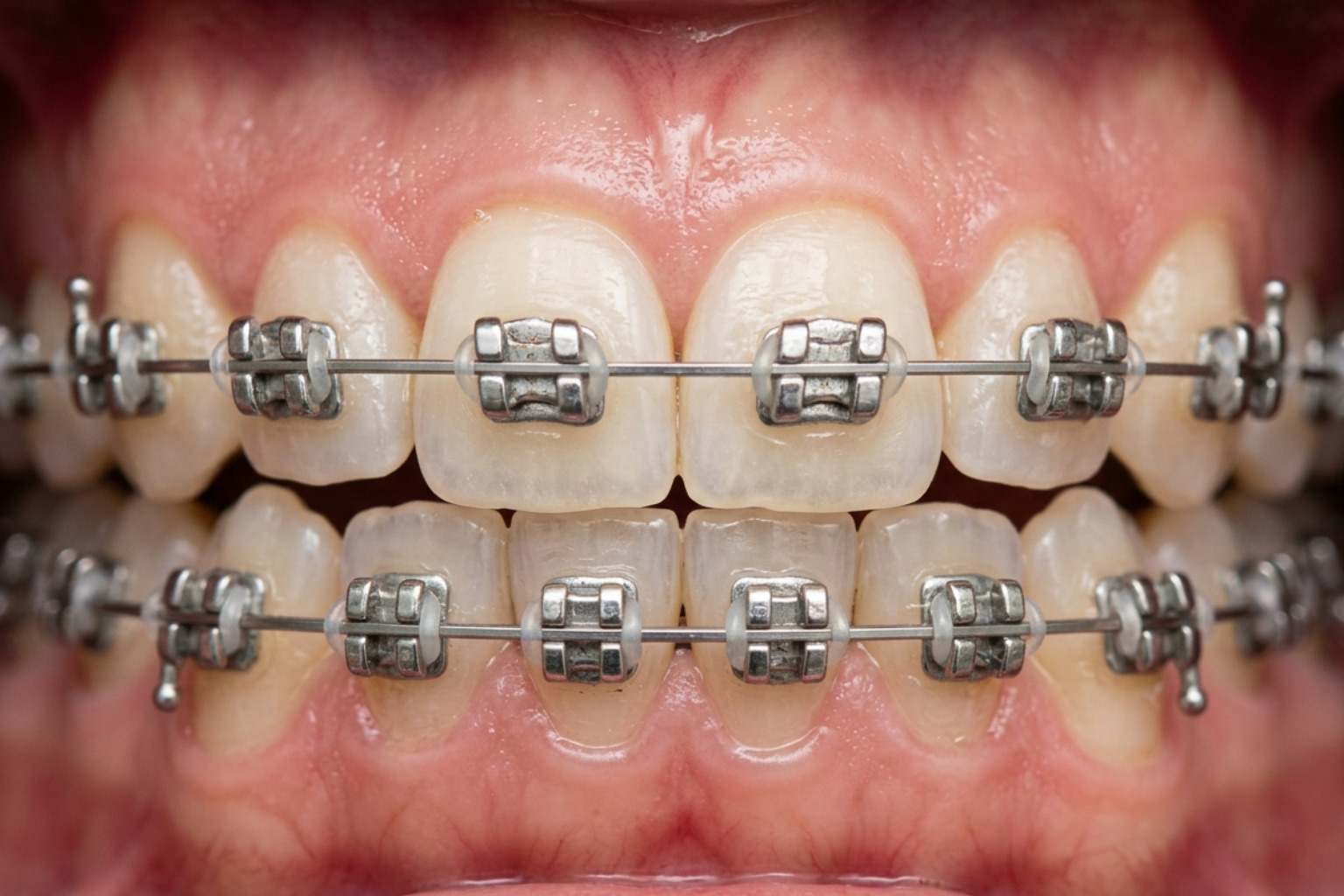
Orthodontics is a dental specialty that focuses on the development, prevention, and correction of irregularities in the teeth, bite, and jaws. When we talk about braces, we are referring to a sophisticated system of brackets and wires designed to correct malocclusion, which is simply the clinical term for a “bad bite.”
Proper alignment is about more than just a straight smile. When teeth and jaws are aligned correctly, it may help improve oral function, making it easier to chew and speak clearly. It also makes teeth easier to clean, which can reduce the likelihood of tooth decay and gum disease in the future. Orthodontists undergo years of additional specialised training beyond dental school to manage these complex facial and jaw disorders.
Common Signs That Indicate a Need for Children’s Dental Braces
We often find that parents are the first to notice when something seems “off” with their child’s dental development. While every child is different, there are several clinical signs that suggest a consultation with a specialist is a wise next step:
- Significant crowding or misplaced teeth.
- Difficulty biting or chewing.
- Mouth breathing, which can sometimes be linked to jaw development.
- Prolonged thumb or finger sucking habits.
- Early or late loss of baby teeth.
- Jaws that shift or make sounds.
How Braces Facilitate Tooth Movement
Braces work by applying constant, gentle pressure to the teeth over a set period. This pressure is transmitted through the brackets (the small metal or ceramic parts glued to the teeth) and the archwires that connect them.
This process involves bone remodelling. As the wire applies pressure, the periodontal ligament is compressed on one side of the tooth root and stretched on the other. This signals the body to dissolve bone in the path of the movement and build new bone behind it. It is a biological process that we carefully monitor at every adjustment appointment.
When to Schedule an Initial Orthodontic Evaluation
The Australian Society of Orthodontists recommends that children have their first orthodontic screening by the age of 7. By this age, the first adult molars have usually erupted, allowing us to evaluate the basic relationship of the teeth and the jaw.
At this stage, many children will have a mix of baby and permanent teeth. This “mixed dentition” phase provides us with essential diagnostic information. While most children will not start active treatment at age 7, this baseline assessment allows us to monitor their growth and time any future treatment for the most effective window. You can learn more about our approach for kids under 10 here.
Benefits of Early Interceptive Treatment
For some children, we may recommend “Phase 1” or interceptive treatment. This typically occurs between the ages of 7 and 10 and focuses on guiding the growth of the jaw rather than just moving teeth. Benefits of this early approach may include:
- Creating room for crowded, erupting permanent teeth.
- Guiding jaw growth to improve facial symmetry.
- Reducing the likelihood of trauma to protruding front teeth.
- Preserving space for teeth that have not yet emerged.
- Reducing the need for tooth extractions in later years.
Why Waiting Until the Teenage Years May Not Be Ideal
While many people associate braces with high school, waiting until all permanent teeth are in can sometimes make treatment more complex. During the ages of 10 to 14, children are often undergoing significant growth spurts. We can utilise this natural growth to help correct bite discrepancies more efficiently.
As children get older and their facial bones finish developing, the window for guiding jaw growth narrows. For adults, correcting jaw misalignments is often more complex and may sometimes require jaw surgery. By starting an evaluation early, we can ensure we don’t wait until they are teenagers if an earlier intervention would be more effective.
Exploring Modern Orthodontic Options for Kids
Modern orthodontics offers several ways to achieve a healthy smile. At our Chermside and Spring Hill practices, we offer a range of orthodontic options tailored to each child’s lifestyle and clinical needs.
Comparing Different Types of Children’s Dental Braces
The best choice for your child depends on their specific dental alignment, their level of responsibility, and your family’s preferences.
| Feature | Metal Braces | Ceramic Braces | Clear Aligners |
|---|---|---|---|
| Visibility | Visible metal brackets | Clear or tooth-coloured | Virtually invisible |
| Durability | High; very robust | High; but more brittle | Removable plastic |
| Compliance | Fixed; no action needed | Fixed; no action needed | Requires 22 hours/day wear |
| Suited for | All cases | Most cases | Many cases |
Metal braces remain a popular choice because they are incredibly durable and allow children to customise their look with coloured O-rings. Ceramic braces offer a more discreet appearance, while Invisalign or Spark aligners provide a removable option that can be helpful for maintaining hygiene.
Specialised Appliances for Jaw Correction
Sometimes, brackets and wires are not enough on their own. We may use specialised appliances to address skeletal issues:
- Palatal Expanders: These are used to gently widen a narrow upper jaw to create more space for teeth.
- HERBST Appliance: This helps guide the growth of the lower jaw forward to correct a significant overbite.
- Space Maintainers: If a baby tooth is lost too early, these hold the space open for the permanent tooth to erupt.
Maintaining Oral Health During Orthodontic Treatment
Keeping teeth clean is vital during orthodontic treatment. Brackets and wires create many small spaces where food and plaque can accumulate. If plaque is left on the teeth, it can lead to “white spots,” which are early signs of tooth decay. We often recommend fluoride varnish applications during treatment to provide extra protection for the enamel.
Essential Cleaning Habits for Braces
We teach every patient how to care for their appliance. Good habits include:
- Brushing after every meal and before bed.
- Using a soft-bristled toothbrush and fluoride toothpaste.
- Using interdental brushes or floss threaders to clean under the archwires.
- Brushing in small, circular motions at a 45-degree angle to the gums.
- Rinsing with water if your child is unable to brush immediately after a snack.
Foods to Avoid to Protect Brackets and Wires
To keep treatment on schedule, it is important to avoid damaging the hardware. Hard or sticky foods can bend wires or break brackets off the teeth. We recommend avoiding:
- Hard nuts and seeds.
- Popcorn (the hulls can get stuck under the gums).
- Chewy caramels, taffy, or minties.
- Hard lollies and ice.
- Crunchy crusts or hard pretzels.
For healthy snacks like apples or carrots, we suggest cutting them into small, bite-sized pieces rather than biting directly into them.
Frequently Asked Questions
At what age should my child first see an orthodontist?
The Australian Society of Orthodontists recommends an initial evaluation by age 7. This timing allows a specialist to monitor the eruption of permanent teeth and identify potential growth issues early. Most children will not require immediate treatment, but this baseline assessment is vital for clinical planning. By identifying issues such as crowding or jaw misalignment early, we can determine the optimal time to begin treatment.
How long does treatment with children’s dental braces usually take?
Standard orthodontic treatment typically lasts between 18 and 24 months. Minor alignment issues may be addressed in as little as 12 months, while more complex cases involving jaw discrepancies may take longer. Dr Nick provides a quantified timeline during the initial consultation based on the specific needs of the child. Factors such as the child’s growth rate and their compliance with wearing elastics or aligners can also influence the total timeframe.
Are braces painful for children?
Children may experience mild soreness or pressure for a few days after the initial fitting or subsequent adjustments. This discomfort is generally manageable and often fades quickly as the mouth adjusts to the appliance. Using orthodontic wax or softer foods during the first 48 hours can help improve the experience. We find that most patients adapt very quickly and soon forget they are even wearing them.
Can my child still play sports while wearing braces?
Children can continue to participate in all sports, provided they wear a protective mouthguard. A custom-fitted mouthguard is often recommended for contact sports to protect both the teeth and the orthodontic hardware. This precaution helps prevent soft tissue injuries if an impact occurs during play. We recommend a mouthguard for any activity where there is a risk of a blow to the face.
How often will we need to visit the orthodontist?
Adjustment appointments are typically scheduled every 4 to 8 weeks throughout the treatment period. These visits allow Dr Nick to monitor progress, change archwires, and ensure the teeth are moving according to the clinical plan. Regular attendance is essential to keep the treatment on schedule. These appointments are usually quite short, lasting about 15 to 20 minutes.
What happens after the braces are removed?
The retention phase begins immediately after the braces are taken off to ensure the teeth remain in their new positions. Children will be fitted with custom retainers, which are usually worn full-time initially and then transitioned to night-wear. Consistent retainer use is the only way to prevent teeth from shifting back over time. We often recommend long-term retainer wear to maintain the alignment for life.
Does insurance cover the cost of children’s braces?
Many private health insurance extras policies provide a lifetime limit for orthodontic treatment. Families should check their specific level of cover to determine the rebate amount available for specialist care. NK Orthodontist provides all-inclusive quotes to assist with insurance claims and financial planning. We also offer interest-free payment plans to help make treatment more accessible for Brisbane families.
Your Next Step with Dr Nick
At NK Orthodontist, we believe that every child deserves access to specialist orthodontic care. With over 30 years of experience and more than 11,500 patients treated, Dr Nick personally oversees every single appointment. We don’t delegate your child’s care to assistants; you will see Dr Nick every time you visit our Chermside or Spring Hill practices.
Our transparent, all-inclusive approach means you will never have to worry about hidden fees or surprise costs. We are here to guide you through the process with clear communication and a focus on your child’s long-term oral health. If you would like to see examples of the types of cases we manage, we invite you to visit our smile gallery.
Your first step is simple. You can start with our free online assessment or book a consultation at one of our Brisbane locations to meet Dr Nick and discuss the best path forward for your child’s dental development.


