

Invisalign for children: Your Guide to Modern Orthodontics
Key Takeaways
- Specialist orthodontists recommend an initial assessment by age 7 to monitor dental development.
- Phase 1 treatment with Invisalign First may be suitable for children aged 6 to 10, including those with a mix of baby and permanent teeth.
- Aligners need to be worn for 20 to 22 hours each day to keep treatment progressing as planned.
- Digital modelling for clinical planning maps tooth movements in detail before treatment starts.
- To find out whether Invisalign for children is the right fit, book a consultation with NK Orthodontist.
Invisalign for children is a clear aligner system designed to straighten teeth and guide jaw development in kids as young as six years old, without the need for metal brackets or wires.
Here is a quick overview of what parents need to know:
- Who it is for: Children aged 6 to 10 may be assessed for Invisalign First during the mixed dentition stage, while older children and teenagers may be suitable once most permanent teeth are present
- How it works: A series of custom-made, removable clear aligners designed to apply controlled force and guide planned tooth movement
- Wear time required: 20 to 22 hours every day
- Common issues assessed: Crowding, spacing, narrow arches, crossbites, overbites, and overjets
- Check-up frequency: Every 6 to 8 weeks with a specialist orthodontist
- Early assessment: The Australian Society of Orthodontists recommends a first orthodontic check by age 7
When a child’s teeth start shifting in unexpected directions, most parents face the same question: is it time for braces, and are there other options worth considering?
Clear aligners have changed the way many families approach children’s orthodontics. Invisalign First, the system designed specifically for younger children, allows treatment to begin during the mixed dentition stage, when baby teeth and permanent teeth are present at the same time. This means orthodontic guidance can start earlier than many parents realise.
That said, not every child is a candidate, and the right timing depends on dental development, the specific clinical picture, and whether a child is ready to take on the responsibility of a removable appliance.
I am Dr Nick, a Specialist Orthodontist based in Brisbane with over 30 years of experience and a Platinum Elite Invisalign provider who has guided thousands of young patients through Invisalign for children across my practices in Chermside and Spring Hill. In the sections below, I will walk you through everything you need to know to make a confident, informed decision for your child.
Modern orthodontics has evolved significantly since the days when metal brackets and wires were the only choice. Today, many parents in Brisbane are looking for options that integrate into their child’s active life without the restrictions often associated with fixed appliances. Invisalign for children represents a shift toward more flexible, discreet care.
Understanding Clear Aligner Technology
The technology behind Invisalign uses a proprietary material called SmartTrack. This medical-grade aligner material is designed to fit closely and apply gentle, consistent pressure to move teeth in a controlled way. However, the material itself does not make Invisalign suitable for every child, and an individual orthodontic assessment is always needed.
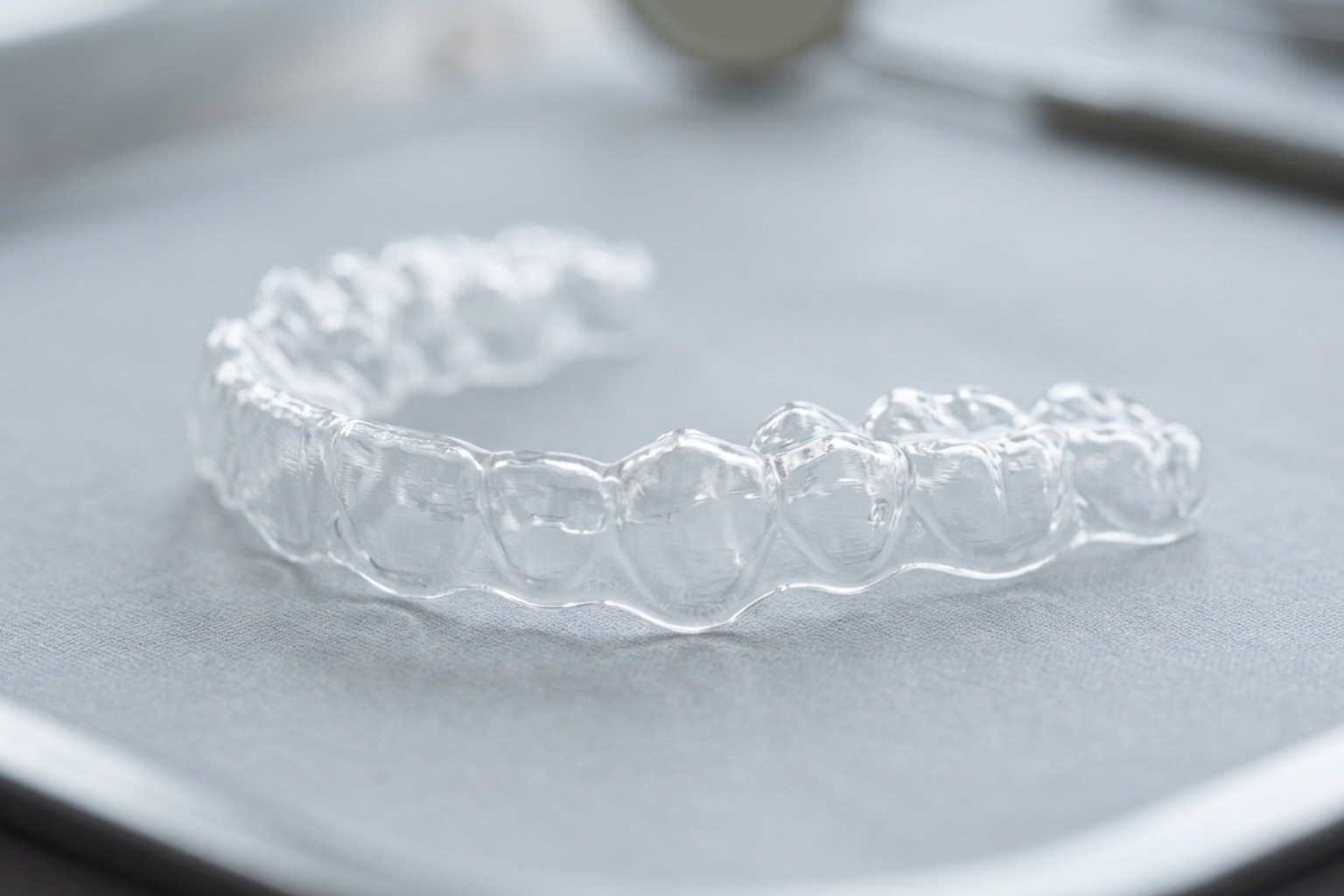
Each set of aligners is custom-made based on a 3D scan of your child’s mouth. Because the material is transparent, the aligners are very discreet. This can be a significant factor for children who may feel self-conscious about their appearance. The removable nature of the aligners means there are no food restrictions, as they are taken out during meals and snacks.
Comparing Aligners and Traditional Braces
While braces remain a highly effective tool for correcting complex dental variations, clear aligners offer a different experience for the patient. Traditional metal braces or clear ceramic braces are bonded to the teeth for the duration of the treatment. This requires specific hygiene routines and the avoidance of hard or sticky foods that could dislodge a bracket.
In contrast, clear aligners allow for normal brushing and flossing. A child simply removes the trays to clean their teeth as they usually would. However, this flexibility requires a high level of responsibility. While braces work 24 hours a day without patient input, aligners only work when they are worn. For some families, the fixed nature of braces is a benefit because it removes the risk of lost aligners or forgotten wear time.
Invisalign First and Early Intervention
Orthodontic care is often divided into two stages. Early intervention, or Phase 1, typically occurs while a child still has a mix of baby and permanent teeth. Invisalign First is specifically engineered for this developmental window.
Invisalign for children and Phase 1 Treatment
Phase 1 treatment usually targets children between the ages of 6 and 10. The goal of this early stage is not necessarily to achieve a perfectly straight smile, but to develop the young jaw and dental arches to make room for existing and incoming permanent teeth.
Kids under 10 often face issues like crowding, narrow arches, or spacing. By using Invisalign First, we can guide the growth of the jaw and address these variations early. This may help simplify future orthodontic needs or, in some cases, reduce the need for tooth extractions later in life.
Growth-Guided Orthodontic Approaches
The Australian Society of Orthodontists notes that early assessment allows specialists to monitor bone growth and dental eruption. One of the newer innovations in this space is the Invisalign Palatal Expander. Traditionally, expanding a narrow upper jaw required a fixed appliance with a screw that parents had to turn daily.
The clear aligner version of a palatal expander is a removable system designed to gently widen the arch without the need for daily manual adjustments. This growth-guided approach is most effective during early childhood when the jaw is still developing and more responsive to guidance.
The Clinical Process and Technology
At NK Orthodontist, we utilise advanced digital tools to ensure every treatment plan is grounded in precise data. As a specialist practice, Dr Nick oversees every step of the process personally to ensure the clinical goals are met.
Digital Modelling for Clinical Planning
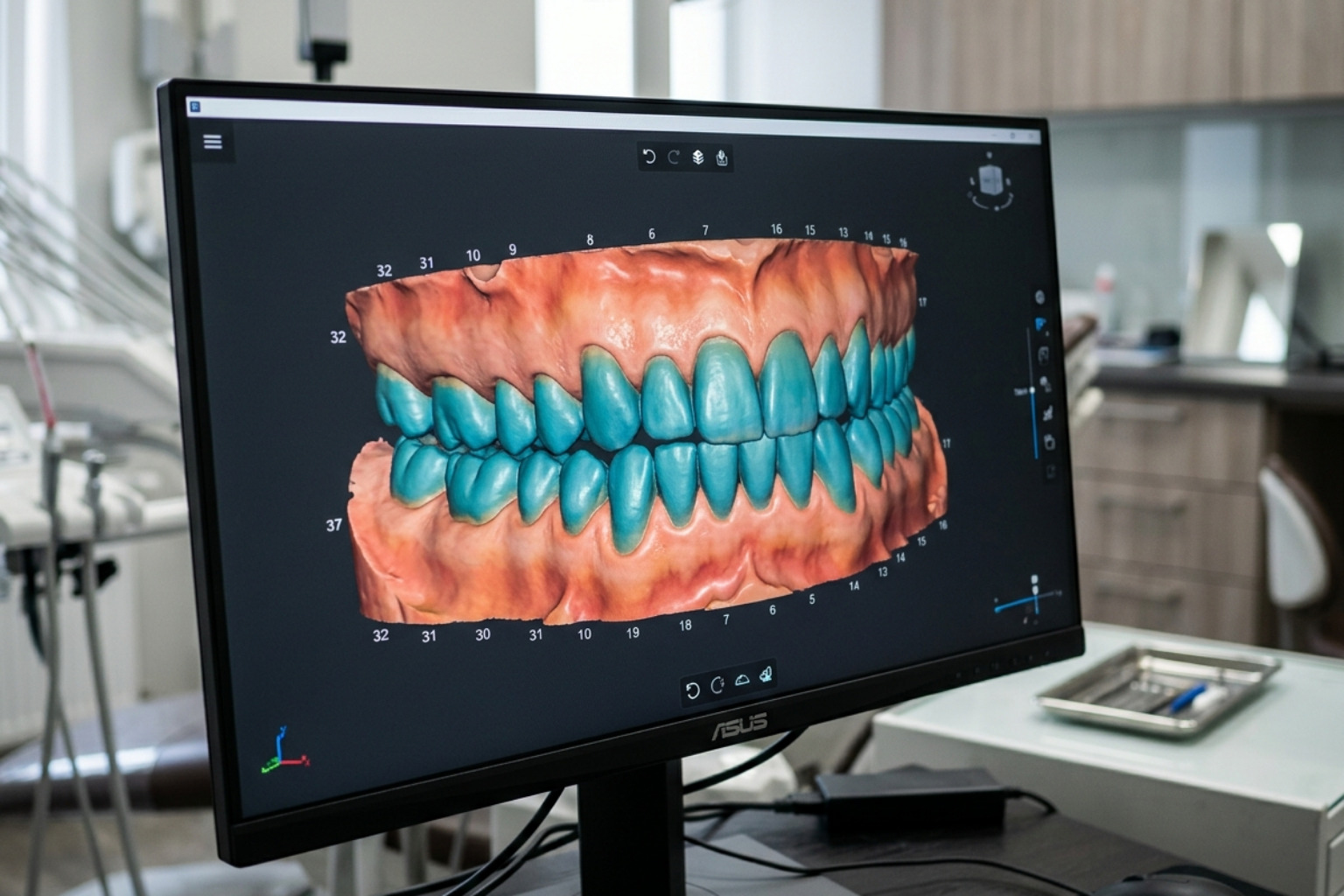
The process begins with an iTero scanner. This technology captures thousands of images per second to build a highly accurate 3D model of your child’s teeth and gums. That detailed digital scan helps support precise treatment planning and a clearer map of how the teeth are expected to move.
Once the scan is complete, we use ClinCheck software for digital modelling for clinical planning. This allows us to map out the exact movement of every tooth from the first aligner to the last. This level of precision helps us anticipate challenges and tailor the treatment to your child’s unique anatomy.
Monitoring and Progress Appointments
Regular check-ups are essential to ensure the teeth are moving according to the plan. These appointments typically occur every 6 to 8 weeks at our Chermside or Spring Hill clinics. During these visits, Dr Nick checks the fit of the aligners and monitors the health of the teeth and gums.
You can find more information about what to expect during these visits on our FAQ page. Between appointments, your child will switch to a new set of aligners every one to two weeks at home. This gradual progression ensures the pressure remains steady and the teeth continue to move in the right direction.
Daily Life with Invisalign for children
Integrating orthodontics into a child’s daily routine requires a bit of planning, but the removable nature of aligners often makes the transition smoother than many parents expect.
Maintaining Oral Hygiene and Diet
One of the primary benefits of clear aligners is the ability to maintain a normal diet. Children can still enjoy apples, popcorn, and other foods that are typically off-limits with traditional braces. They simply remove the aligners, eat, brush their teeth, and put the aligners back in.
Hygiene is equally straightforward. Because there are no brackets or wires to navigate, children can brush and floss as usual. It is vital to brush after every meal to ensure food particles aren’t trapped against the teeth by the aligner, as this could lead to decay. The aligners themselves should be cleaned daily with a soft toothbrush and gentle soap or specialized cleaning crystals.
Compliance and Invisalign for children
The success of Invisalign for children depends almost entirely on wear time. To be effective, aligners must be worn for 20 to 22 hours every day. This leaves just enough time for meals and cleaning.
To help parents monitor this, Invisalign for children often includes blue wear indicators. These are small blue dots on the back of the aligners that fade to clear as the child wears them. If the dots are still bright blue at the end of the week, it is a sign that the aligners haven’t been in the mouth long enough. Most children adapt quickly to the routine, especially when they understand that consistent wear is the fastest way to complete their treatment.
Frequently Asked Questions
What is the best age for a child to start Invisalign?
Specialist orthodontists generally recommend an initial assessment by age 7 to monitor dental development. Treatment with Invisalign First may be suitable for children aged 6 to 10 who still have a mix of baby and permanent teeth. This early intervention focuses on guiding jaw growth and creating space for incoming teeth.
How does Invisalign First differ from traditional braces?
Invisalign First utilises clear, removable plastic aligners rather than metal brackets and wires bonded to the teeth. This design allows children to remove the appliances for eating and cleaning, which may help maintain hygiene routines. The system is specifically designed for the mixed dentition stage of growing children.
Can Invisalign treat complex dental variations in children?
Invisalign for children is designed to address a wide range of dental variations including crowding, spacing, and narrow arches. Specialist orthodontists use digital modelling for clinical planning to map out specific tooth movements. Some complex cases may still require traditional braces or supplemental appliances depending on the clinical needs.
How many hours a day must a child wear the aligners?
Children must wear their clear aligners for 20 to 22 hours every day to ensure the treatment stays on track. The aligners should only be removed for eating, drinking anything other than water, and performing oral hygiene. Consistent wear is the most important factor in the adoption of this treatment.
What happens if a child loses an aligner?
Parents should contact their specialist orthodontist immediately if an aligner is lost or damaged to prevent a relapse in tooth movement. The orthodontist may advise wearing the previous set of aligners or moving to the next set depending on the current progress. Most treatment plans include provisions for replacement aligners to account for such incidents.
Does insurance cover Invisalign for children?
Many private health insurance providers in Australia offer rebates for orthodontic treatment, including clear aligners, under their extras cover. The amount of coverage depends on the specific policy and the level of orthodontic benefits included. Families should check with their provider and review the all-inclusive pricing options available at the practice.
How do parents monitor if the aligners are being worn?
Invisalign for children often includes small blue compliance indicators located on the back of the aligners. These dots are designed to fade from blue to clear as the aligner is worn consistently over the prescribed period. This feature provides a simple visual way for parents and orthodontists to monitor daily wear time.
Is a retainer necessary after the treatment is finished?
Retainers are a mandatory part of the orthodontic process to ensure the teeth remain in their new positions. Once the active alignment phase is complete, Dr Nick will provide a custom retainer and a long-term monitoring plan. Consistent retainer wear is essential for maintaining the results of any orthodontic treatment.
Your Next Step with Dr Nick
NK Orthodontist provides specialised care for families across Brisbane, with convenient locations in Chermside and Spring Hill. Dr Nick brings over 30 years of experience to every appointment, ensuring that every patient receives personal attention from a specialist orthodontist. The practice is committed to transparent, all-inclusive pricing and flexible payment options to make orthodontic care accessible. Visit our case gallery to learn more about the types of cases we treat and the experiences of our patients.


