

Rediscover Your Smile At Any Age
Key Takeaways
- One in three orthodontic patients is now an adult, with many starting treatment in their 60s or 70s.
- Treatment timeframes for mature patients typically range from 6 to 24 months depending on complexity.
- Healthy bone structure and gum health are the primary requirements for eligibility rather than a specific age.
- Modern options like Spark and Invisalign allow patients to undergo treatment discreetly.
- Dr Nick provides personalised care for every patient at our Chermside and Spring Hill locations.
- Flexible, interest-free payment plans are available to help manage the cost of treatment.
Introduction
Orthodontic treatment is a viable option for adults of any age provided the supporting bone and gum tissues are healthy. Modern technology has made the process more comfortable and less visible, leading to a significant increase in seniors seeking care.
This guide outlines the various types of braces available, the physiological considerations for mature patients, and what to expect during a consultation in Brisbane. We will address common concerns regarding treatment duration, existing dental work, and the functional benefits of better tooth alignment.
I am Dr Nick, a Specialist Orthodontist and the founder of NK Orthodontist. I have worked in Brisbane for over 30 years and have treated more than 11,500 patients at our Chermside and Spring Hill practices. I am a member of the Australian Society of Orthodontists, and I take a conservative approach to treatment. I also stay personally involved in every patient’s care and attend every appointment to help maintain high clinical standards.
By the end of this article, you will understand how specialised orthodontic care can support long-term oral health and why it is never too late to consider these options.
Is There an Age Limit for Braces for Older Adults?
Specialist orthodontists can move teeth at almost any age because the biological process of tooth movement remains the same throughout life. While children have growing jawbones, adults have denser bone that may require a slightly longer timeframe for movement. As long as your teeth remain firmly anchored in the bone and your gums are healthy, you are a candidate for treatment.
We have seen patients in their 70s and 80s successfully undergo orthodontic care to improve their oral function. The primary factor is the health of the supporting structures rather than the date on your birth certificate. Dr Nick assesses these factors during an initial consultation at our Brisbane clinics to ensure treatment is a safe and effective choice for you.
Common Reasons for Seeking Braces for Older Adults
Many seniors notice their teeth shifting as they age, often due to natural bone loss or the late crowding of lower front teeth. Some adults seek treatment to correct a relapse from childhood braces because they did not wear their retainers as instructed. Others require orthodontic alignment to create space for future dental work, such as implants or bridges. Improving the “bite” or how the teeth fit together can also help alleviate jaw joint discomfort and uneven tooth wear.
Statistics on Adult Orthodontics
The popularity of adult orthodontics has grown significantly over the last 30 years.
- Almost one third of all current orthodontic patients are adults.
- Approximately 62% of Australian adults considering orthodontic treatment.
- Adult braces account for approximately 20 percent of orthodontic patients globally each year.
- Dr Nick has personally treated more than 11,500 patients in Brisbane, a significant portion of whom are mature adults.
Functional Benefits and Considerations for Seniors
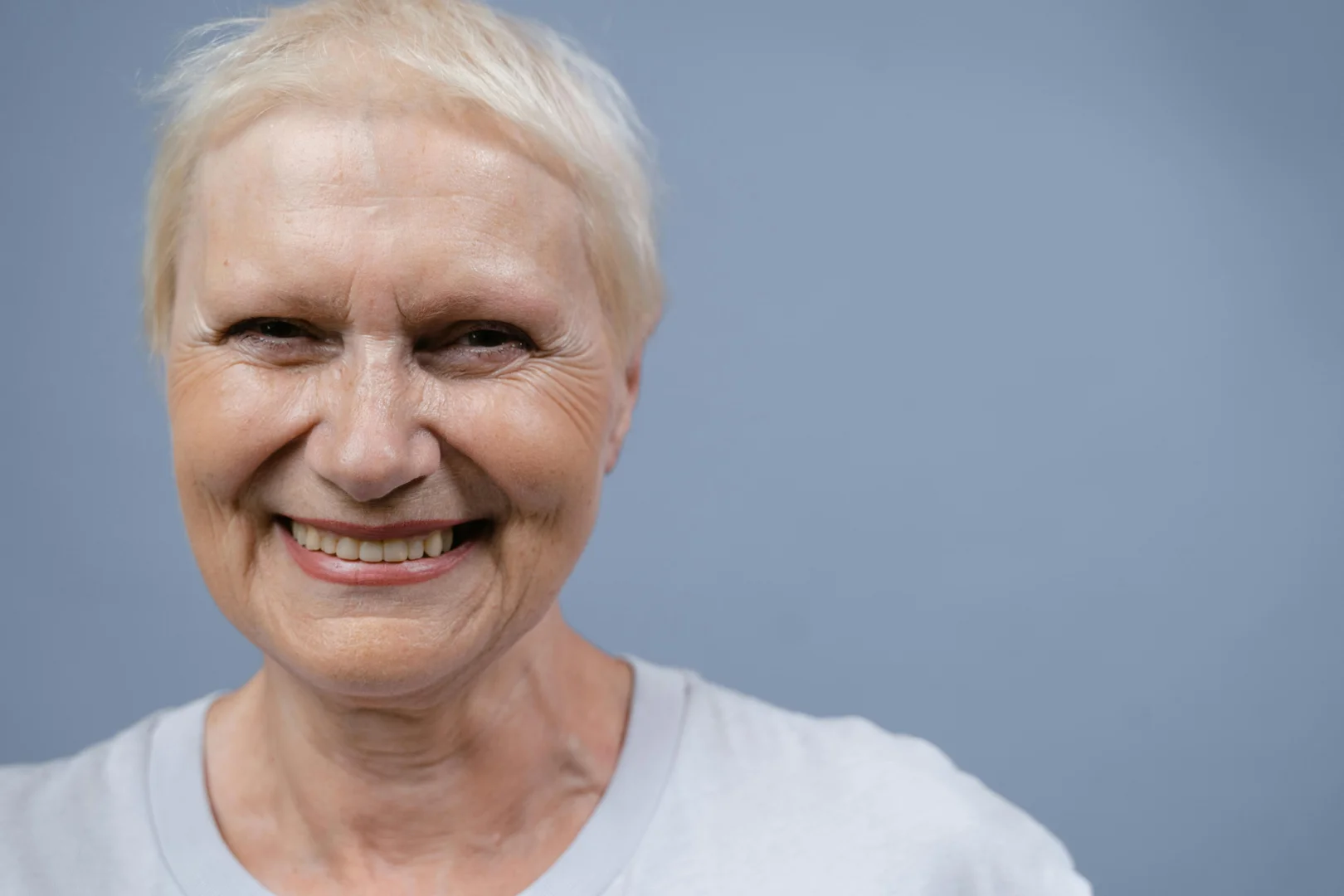
Improving the alignment of your teeth can significantly reduce the risk of tooth decay and gum disease by making cleaning more efficient. Properly aligned teeth distribute biting forces more evenly, which protects existing dental work from excessive wear. Many seniors find that correcting their bite improves chewing efficiency and supports better digestion.
| Functional Benefit | Lifestyle Consideration |
|---|---|
| Easier brushing and flossing | Requires commitment to oral hygiene |
| Reduced wear on tooth enamel | Initial period of adjustment to appliances |
| Protection of crowns and bridges | Regular check-ups with Dr Nick |
| Improved chewing and digestion | Minor dietary modifications for fixed braces |
Protecting Existing Dental Work
Seniors often have a history of dental restorations, including crowns, bridges, and fillings. When teeth are misaligned, they can hit each other at awkward angles, leading to the chipping or premature failure of these expensive treatments. By aligning the teeth, we ensure the pressure is distributed correctly, which helps your existing dental work last longer. You can visit our case gallery to see how various dental concerns are managed through specialised care.
Improving Oral Hygiene and Health
Crowded or overlapping teeth create “food traps” where plaque and bacteria accumulate. These areas are notoriously difficult to clean, even with electric toothbrushes and interdental cleaners. Straightening these teeth removes these hiding spots, reducing the risk of inflammation and periodontal disease. Dr Nick emphasises that a healthy mouth is particularly important for seniors, as oral inflammation is often linked to broader systemic health issues.
Modern Orthodontic Options for Mature Patients
Older adults often prefer discreet treatment options that do not interfere with their professional or social lives. Clear aligners like Spark and Invisalign are popular because they are removable and virtually invisible. For more complex movements, clear ceramic braces offer a fixed solution that is much less noticeable than traditional metal brackets.
Clear Aligner Therapy
Clear aligners are custom-made plastic trays that sit over your teeth. You must wear them for 22 hours a day, removing them only to eat, drink anything other than water, and clean your teeth. This makes them an excellent choice for seniors who want to maintain their usual diet and oral hygiene routine without the obstruction of wires and brackets.
Real Patient Results with Invisalign
Clear aligner therapy, including Invisalign, has helped many adult patients achieve noticeable improvements in both function and appearance. Below are examples of real treatment outcomes showing how tooth alignment can change over time while maintaining a discreet and comfortable experience.
Ceramic and Traditional Braces
If your case requires more precise or complex tooth movements, fixed braces may be recommended. Modern ceramic braces use clear or tooth-coloured brackets that blend in with your natural enamel. These are far more subtle than the “train tracks” many remember from their youth. Dr Nick uses advanced technology to ensure these appliances apply the gentlest possible force to move teeth efficiently.
Understanding the Treatment Process and Eligibility
The process begins with a comprehensive clinical examination where Dr Nick assesses your gum health and bone density. We use digital 3D scanners at our Chermside and Spring Hill locations to create precise models of your mouth. This modern approach eliminates the need for the messy, uncomfortable “goop” impressions used in the past.
- Initial Consultation: Dr Nick performs a clinical exam and discusses your goals.
- Digital Scanning: We take high-resolution 3D scans and X-rays.
- Treatment Planning: Dr Nick designs a bespoke plan tailored to your bone structure.
- Fitting: You receive your aligners or have your braces fitted.
- Monitoring: You attend appointments every 6 to 8 weeks for progress checks.
Assessing Eligibility for Braces for Older Adults
Eligibility for braces for older adults depends largely on the health of the periodontium (the gums and bone). If there is active gum disease or significant bone loss, these issues must be resolved by a dentist or periodontist before orthodontic work begins. Dr Nick also considers any medications you may be taking, such as those for osteoporosis, which can occasionally affect the rate of tooth movement. You can find more information about the investment required for your care on our website.
The Importance of Retention
Teeth have a “memory” and will attempt to shift back to their original positions once braces are removed. For older adults, lifetime retention is essential to maintain the results. This usually involves wearing a clear retainer at night. Dr Nick provides detailed instructions on how to care for your retainers to ensure your teeth remain stable for the long term.
Your Next Step with Dr Nick
NK Orthodontist has served the Brisbane community for over 30 years, providing specialised care to more than 11,500 patients. Dr Nick personally oversees every appointment at our Chermside and Spring Hill locations to ensure consistent, high-quality care. We offer transparent, all-inclusive pricing and flexible payment plans to make treatment accessible for everyone.
Whether you are located in North Brisbane near Chermside or closer to the CBD in Spring Hill, our team is ready to assist you. With over 565 five-star Google reviews, we pride ourselves on a patient experience that is professional, warm, and focused on your individual needs.
Book a consultation with Dr Nick today to discuss your options.
Frequently Asked Questions
How long does treatment typically take for seniors?
Most older adults complete their treatment within 12 to 24 months depending on the complexity of the alignment required. Minor adjustments to the front teeth may be achieved in as little as 6 to 9 months using specialised express options. Dr Nick will provide a specific timeframe during your initial consultation after reviewing your digital scans.
Can I get braces if I have crowns, implants, or missing teeth?
Orthodontic treatment is possible even if you have existing dental work like crowns or bridges. While dental implants cannot be moved once they are integrated into the bone, they can often be used as stable anchor points to help move other teeth. Dr Nick will coordinate with your general dentist to ensure your treatment plan accounts for all existing restorations.
Is the treatment painful for older adults?
Modern orthodontic appliances are designed to apply gentle, constant pressure, which minimises discomfort during the process. You may experience some minor soreness for a few days after an adjustment or when switching to a new set of aligners. This sensation is typically manageable and indicates that the teeth are moving as planned.


