

What Are Braces and How Do They Work?
Key Takeaways
- Braces align teeth and correct bite function over a typical period of 12 to 24 months.
- It is recommended that children receive their first evaluation by age 7.
- Approximately 20% of all orthodontic patients in 2026 are adults over the age of 18.
- Modern options include metal braces, ceramic braces, and clear aligners to suit different lifestyle needs.
Introduction
Braces align teeth and correct bite function to support long-term oral health and hygiene.
This guide defines what braces are, explains the mechanical process of tooth movement, and compares the various types of appliances available in 2026.
I am Dr Nick, a Specialist Orthodontist with over 30 years of experience practicing in Brisbane. As the founder of NK Orthodontist, I have treated more than 11,500 patients and have been a long-standing member of the Australian Society of Orthodontists. I follow a conservative treatment philosophy and am personally present at every appointment to monitor progress. I work across our specialist practices in Chermside and Spring Hill, where I focus on providing transparent, high-quality care to the local community.
Readers will gain a clear understanding of treatment timelines, candidate suitability, and the practical steps required to maintain oral health during the orthodontic process.
What Are Braces? A Clear Answer Before We Go Further
What are braces is one of the most common questions asked before a first orthodontic consultation — and the answer is straightforward.
Braces are orthodontic appliances that apply continuous, gentle pressure to teeth to gradually shift them into better alignment and correct bite function. They consist of brackets bonded to the teeth, connected by a thin metal wire, and held in place with small elastic ties. Over time, the pressure from this system causes the underlying bone to remodel, allowing teeth to move into new positions.
Here is a quick summary of what braces do:
- Align crooked or crowded teeth by guiding them into proper position
- Correct bite problems such as overbites, underbites, and crossbites
- Improve oral hygiene by making teeth easier to clean once aligned
- Support jaw function for more comfortable chewing and speaking
- Preserve long-term dental health by reducing uneven wear on teeth
Braces are suitable for children, teenagers, and adults. Most patients wear them for 12 to 24 months, depending on the complexity of their case.
This guide covers everything you need to know about braces in 2026: what they are, how they work mechanically, the types available, who is a suitable candidate, and how to care for your teeth during treatment.
I am Dr Nick, a Specialist Orthodontist based in Brisbane with over 30 years of experience and more than 11,500 patients treated — many of whom have asked me exactly what are braces and whether they are the right option. Read on for the clear, practical answers I give my own patients every day.
What are braces and how do they function?
Braces function by applying a constant, light force to the teeth, which initiates a biological process known as bone remodelling. When an orthodontic appliance exerts pressure on a tooth, it creates tension on one side of the root and compression on the other. This signals the body to send specialised cells called osteoclasts to break down bone where the pressure is applied, while osteoblasts deposit new bone on the opposite side to fill the gap.
Orthodontic tooth movement occurs through a carefully controlled process called bone remodelling, where bone is broken down and rebuilt around the teeth as they are guided into new positions. This gradual biological response allows teeth to move safely through the jaw while maintaining the health of surrounding bone and periodontal tissues. Careful monitoring during regular adjustment appointments ensures this process remains controlled, predictable, and supportive of long-term treatment stability.
What are braces made of?
Modern orthodontic appliances use high-grade materials designed for both durability and efficiency. The primary materials utilised in 2026 include:
- Stainless Steel: Used for traditional brackets and archwires due to its immense strength and resistance to corrosion.
- Ceramic or Porcelain: These materials are used for aesthetic brackets as they can be manufactured to be clear or tooth-coloured.
- Nickel-Titanium (Nitinol): A shape-memory alloy used for archwires that provides a consistent, gentle force even as it bends.
- Synthetic Elastomers: Used for the tiny ligatures (rubber bands) that hold the wire into the brackets.
The essential components of orthodontic appliances
Traditional braces consist of several precision-engineered parts that work together to facilitate tooth movement. Understanding these components helps patients manage their treatment and recognise when an adjustment is needed.
- Brackets: Small metal or ceramic squares bonded directly to the front of each tooth. They act as anchors for the rest of the appliance.
- Archwires: The metal wire that runs through the brackets. It acts as the track that guides the teeth into their new positions.
- Molar Bands: Stainless steel rings often placed around the back teeth to provide a stable anchor point for the archwire.
- Ligatures (Elastic Ties): Small rubber bands that wrap around the wings of the brackets to secure the archwire in place. These come in various colours.
- Spacers: Small rubber loops placed between teeth before the fitting appointment to create enough room for molar bands.
- Elastics (Rubber Bands): Larger bands used by the patient to connect the upper and lower arches, helping to correct bite alignment.
At NK Orthodontist, Dr Nick personally fits and adjusts these components at every appointment to ensure the appliance is functioning exactly as intended.
Comparing modern orthodontic options
Patients in Brisbane can choose from several types of braces depending on their clinical needs and aesthetic preferences. While traditional metal braces remain the most common choice, alternatives like ceramic braces and clear aligners offer different benefits.
| Feature | Metal Braces | Ceramic Braces | Clear Aligners |
|---|---|---|---|
| Visibility | High (Silver/Grey) | Low (Clear/Tooth-coloured) | Very Low (Transparent) |
| Durability | Very High | High (but can be brittle) | High (Removable) |
| Treatment Speed | Fast and Predictable | Fast and Predictable | Varies by compliance |
| Suitability | All cases, including complex | Most cases | Mild to moderate cases |
| Maintenance | Brushing and flossing | Brushing and flossing | Cleaning trays |
What are braces vs clear aligners?
The main difference between fixed braces and clear aligners is removability. While braces are bonded to the teeth for the duration of treatment, clear aligners are removable trays that the patient must wear for 22 hours per day. Aligners offer a discreet appearance, but they rely heavily on patient compliance. For complex malocclusions or significant jaw alignment issues, fixed braces are often the more efficient choice. We offer both Invisalign and Spark aligners at our Chermside and Spring Hill locations, and we discuss the most effective option for your specific needs during your consultation on our services page.
Treatment timelines and candidate suitability
Orthodontic treatment is effective for patients of almost any age, provided the teeth and gums are healthy. While the biological process of bone remodelling takes time, modern technology has made the experience more comfortable and predictable than ever before.
- Children (Age 7–10): While orthodontic treatment can benefit people at any age, a first assessment with a registered specialist orthodontist is recommended between ages 7–10. At this stage, the orthodontist can evaluate both the teeth that have already erupted and those still developing beneath the gums, helping to identify potential crowding or bite issues early and guide future treatment planning.
- Teenagers: Most teenagers begin treatment once the majority of their permanent teeth have erupted, typically between ages 11 and 14.
- Adults: In Australia, around 20% of orthodontic patients are adults, according to national survey data of orthodontic specialists. Adults may require slightly longer treatment times due to denser jaw bone, but they achieve excellent results.
- Average Duration: Most patients wear braces for 12 to 24 months. Simpler cases may take as little as 6 to 9 months, while complex jaw corrections can take up to 36 months.
You can view our pricing page for details on how we structure our all-inclusive fees regardless of the treatment length.
Maintaining oral health during treatment
Proper hygiene is essential while wearing braces to prevent plaque buildup and ensure the health of the underlying enamel. Because brackets and wires create small spaces where food can become trapped, patients must be more diligent with their cleaning routine.
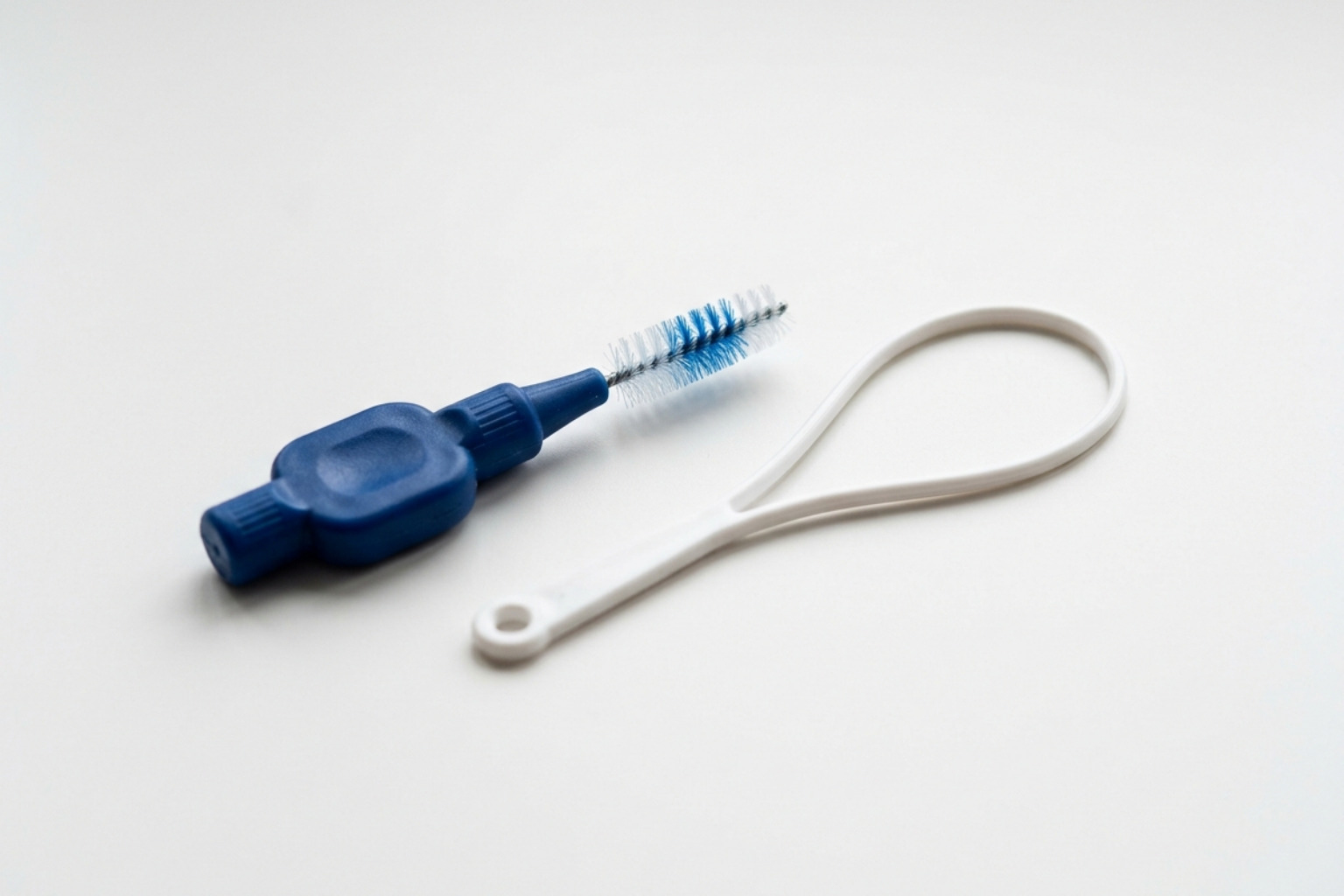
Recommended Hygiene Tools:
- Soft-bristled toothbrush: Use this at least twice daily with fluoride toothpaste.
- Interdental brushes (Proxy brushes): These tiny brushes help clean under the archwire and around the brackets.
- Floss threaders or Water flossers: These tools make it possible to clean between teeth that are connected by a wire.
- Orthodontic wax: Apply a small amount of wax over any bracket or wire that causes irritation to the cheeks or gums.
Foods to Avoid:
To prevent broken brackets and bent wires, we recommend avoiding the following:
- Hard foods: Ice, nuts, hard lollies, and crusty bread.
- Sticky foods: Caramel, taffy, and chewing gum (unless sugar-free and approved).
- Crunchy snacks: Popcorn and corn chips.
- Whole fruits: Cut apples and carrots into small, bite-sized pieces rather than biting into them.
Your Next Step with Dr Nick
NK Orthodontist provides specialist care for families across North Brisbane, with Dr Nick personally attending to every patient at our Chermside and Spring Hill locations. With over 30 years of experience and more than 11,500 patients treated, our practice focuses on a conservative, transparent approach to orthodontics. We offer flexible, interest-free payment plans and all-inclusive pricing to ensure specialist care is accessible for everyone.
Frequently Asked Questions
Do braces hurt?
Patients typically experience mild tenderness for a few days after the initial fitting or following regular adjustment appointments. This discomfort is manageable with over-the-counter pain relief and usually subsides as the mouth adapts to the appliance. Using orthodontic wax on any areas that rub against the cheeks can also help prevent soreness during the first week.
How long does treatment take?
Most patients wear braces for 12 to 24 months, though the exact timeframe depends on the complexity of the tooth movement required. Factors such as the severity of crowding, the type of bite correction needed, and the patient’s biological response all influence the duration. Dr Nick provides a specific estimated timeline during the initial consultation after reviewing diagnostic records like X-rays and digital scans.
Can adults get braces?
Adults make up about 20% of orthodontic patients and can achieve excellent results as long as their supporting bone and gum tissues are healthy. While jaw growth cannot be guided in adults as it can in children, the teeth can still be moved effectively at any age. Modern aesthetic options like ceramic braces or clear aligners make treatment a popular choice for professionals in Brisbane who prefer a more discreet look.


