

Understanding Modern Teen Aligners
Modern teen aligners are custom-made, clear plastic trays designed to gradually shift teeth into better alignment without the brackets and wires of traditional braces.
Key Takeaways
- Modern clear aligner systems include teen-specific features such as compliance indicators and eruption tabs designed to accommodate still-developing smiles.
- Aligners are removable for eating, oral hygiene, and certain activities, which may suit teenagers with active school and social schedules.
- Clear aligners may be suitable for a wide range of orthodontic presentations, though a specialist assessment is needed to determine the most appropriate option, visit our services page for an overview of what we treat.
- Compliance is the most important factor in clear aligner treatment; consistent wear throughout the day is essential for treatment to progress as planned.
- Treatment suitability varies significantly between individuals: an initial consultation with a specialist orthodontist is the most reliable way to understand your teen’s options.
If you’re comparing orthodontic options for your teenager, here’s a quick overview of what’s available:
| Option | Visibility | Removable | Best For |
|---|---|---|---|
| Clear aligners (e.g., Invisalign, Spark) | Nearly invisible | Yes | Mild to moderate cases |
| Ceramic braces | Low profile | No | Moderate to complex cases |
| Metal braces | Most visible | No | Complex cases requiring precise control |
Choosing the right orthodontic treatment for a teenager is rarely straightforward. There are now more options than ever, and the differences between them in design, technology, and suitability matter more than most families realise before they walk into a practice.
I’m Dr Nick, a Specialist Orthodontist based in Brisbane with over 30 years of experience and more than 11,500 patients treated, including a significant number of teenagers who have gone through modern teen aligners treatment at my Chermside and Spring Hill practices. In this guide, I’ll walk you through the main options available so you can approach your teen’s consultation with confidence.
I personally see every patient at every appointment to ensure your treatment is never delegated. My practice in Brisbane focuses on providing a professional and supportive environment for families in Chermside and Spring Hill. I invite you to learn more about our approach to care and how we manage various orthodontic cases. Visit our case gallery to learn more about the types of cases we treat.
How Modern Teen Aligners Differ from Braces
The primary difference between modern teen aligners and traditional braces is how they apply force and how they fit into a teenager’s lifestyle. Braces are fixed to the teeth using brackets and wires, whereas aligners are removable, thin plastic shells that fit over the teeth like a clear mouthguard.
For many Brisbane teenagers, the aesthetic appeal of a nearly invisible appliance is a significant factor. Because aligners are made from smooth, medical-grade plastic, they do not have the metallic profile of traditional braces. This can be particularly relevant for students who feel self-conscious about their appearance during school photos or social events.
Another distinction lies in the maintenance of oral health. Because aligners are removed for eating, there are no dietary restrictions, and brushing and flossing can be performed normally. This contrasts with fixed braces, where certain foods must be avoided to prevent damage to the brackets. You can read more about these differences in The Complete Guide to Invisible Braces.
Key Features of Modern Teen Aligners
The technology behind modern teen aligners has evolved significantly since they were first introduced. Today, systems like Invisalign and Spark utilise sophisticated materials and digital workflows to plan tooth movement with high levels of detail.
Compliance Indicators and Monitoring
One of the most common questions parents ask me is whether their teenager will actually wear the aligners. To address this, many modern teen aligners include built-in compliance indicators. These are small blue dots located on the back of the aligners that gradually fade as the trays are worn.
This provides a visual cue for both the parent and the orthodontist to see if the trays are being worn for the required amount of time each day. Additionally, some modern practices utilise remote monitoring technologies. By taking regular photos via a smartphone app, I can monitor a student’s progress between in-office visits, which may reduce the number of trips to our Chermside or Spring Hill clinics. This is a topic I explore further in Everything You Need to Know About Orthodontist Clear Braces.
Accommodating Growing Smiles
Teenagers are in a unique developmental stage where their adult teeth may still be erupting and their jaw bones are still growing. Modern teen aligners are specifically designed to account for this. Features such as “eruption tabs” reserve space for permanent teeth that haven’t fully emerged yet, ensuring the treatment doesn’t interfere with natural dental development.
By integrating growth guidance into the digital plan, I can manage the alignment of the teeth while respecting the natural changes occurring in a teenager’s mouth. This specialised design helps ensure that the aligners fit comfortably even as the dental landscape changes.
Comparing Treatment Options for Brisbane Teens
When deciding between modern teen aligners and other options like ceramic or metal braces, it is important to consider the complexity of the case. While aligners are highly effective for many situations, some complex bite issues or severe crowding may be more predictably managed with the constant, precise control of fixed braces.
| Feature | Clear Aligners | Ceramic Braces |
|---|---|---|
| Visibility | Nearly invisible | Low (tooth-coloured) |
| Removability | Removable for meals | Fixed |
| Compliance | High (user-dependent) | Automatic (fixed) |
| Cleaning | Simple (remove to brush) | Requires extra care |
A specialist assessment is the most reliable way to determine which system will most effectively address your teen’s specific needs. I take the time to evaluate the position of every tooth and the relationship between the jaws before recommending a path forward.
Suitability for Different Orthodontic Needs
Modern teen aligners are frequently used to address issues such as crowding, spacing, and certain types of bite misalignments. The digital planning software allows me to map out the movement of each tooth individually, creating a personalised path to a straighter smile.
However, the success of the treatment depends heavily on the teenager’s commitment. If the aligners are not worn for the prescribed number of hours, the teeth will not move as planned. For some students, the “set and forget” nature of fixed braces is a better fit for their personality.
Managing Daily Life with Modern Teen Aligners
One of the reasons modern teen aligners are so popular in Brisbane is their compatibility with active lifestyles. Teenagers today are busy with school, sports, and extracurricular activities, and they need an orthodontic solution that doesn’t hold them back.
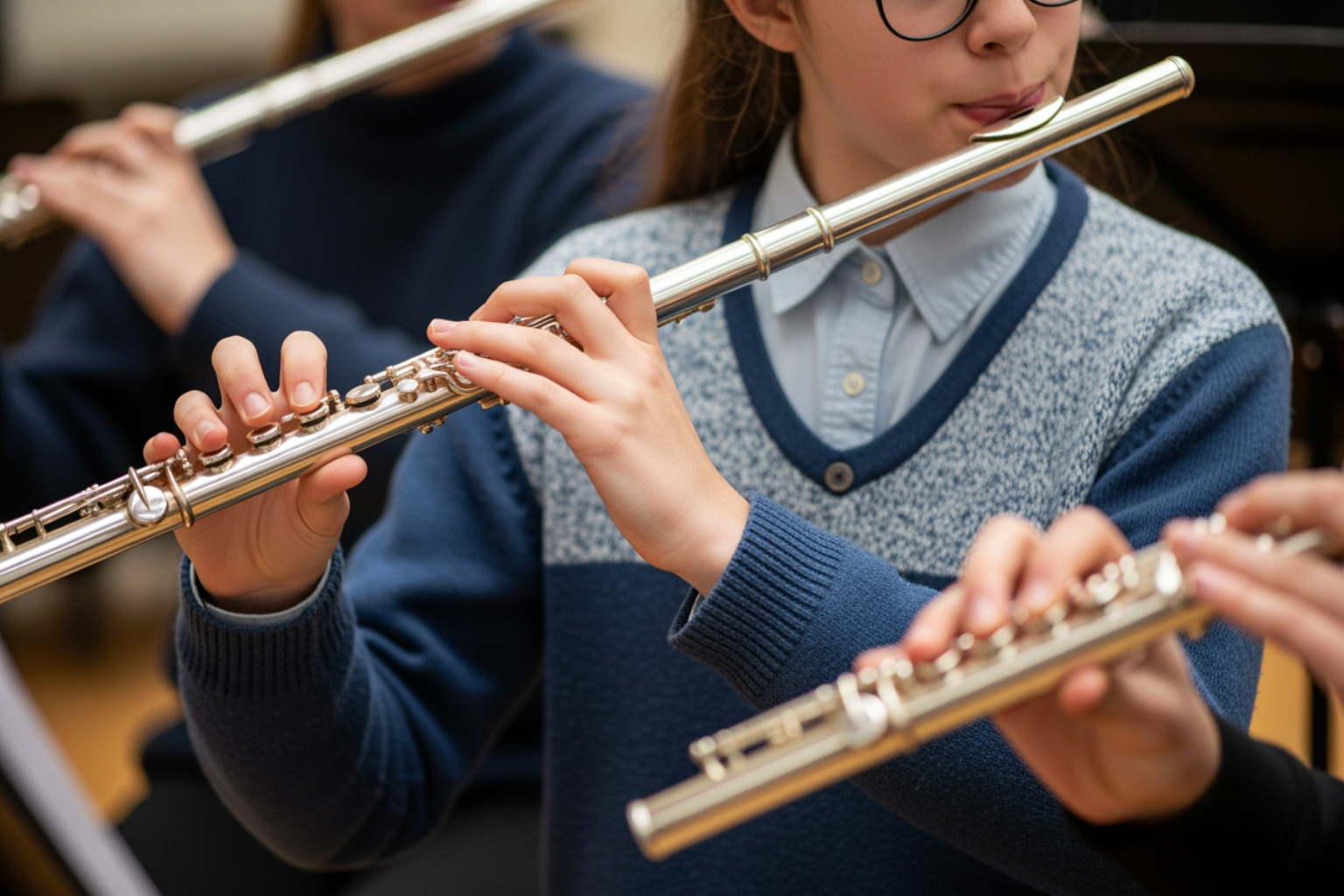
For those who play musical instruments, particularly woodwind or brass, aligners can be a preferred option as they lack the protruding brackets that can sometimes cause irritation to the lips. Similarly, for athletes involved in contact sports, the aligners can be removed and replaced with a custom-fitted mouthguard to ensure the highest level of protection for the teeth.
Oral Hygiene and Maintenance
Maintaining excellent oral hygiene is vital during any orthodontic treatment. With modern teen aligners, this process is easier to maintain. Teens simply remove the trays to brush and floss their teeth as they normally would. It is also important to clean the aligners themselves to help prevent plaque buildup or odours.
I recommend rinsing the trays every time they are removed and using a soft brush to keep them clear. Keeping the trays in their protective case when not in use is also a critical habit to develop to avoid losing them during school lunch breaks. For more tips on maintenance, visit our FAQ page.
Your Next Step with Dr Nick
At NK Orthodontist, I believe every teenager deserves a treatment plan shaped around their individual needs. With over 30 years of experience as a Specialist Orthodontist in Brisbane, I focus on how specialist orthodontic care can support a young person’s oral health journey.
My approach is built on transparency and personal care. I personally see every patient at every appointment at my Chermside and Spring Hill practices. We offer all-inclusive pricing with no hidden fees and flexible interest-free payment plans to make specialist care accessible for Brisbane families. You can learn more about our commitment to value on our pricing page.
If you are ready to explore whether modern teen aligners are the right choice for your teenager, I invite you to book a consultation at one of our clinics. We will discuss your teen’s goals, perform a thorough assessment, and provide a clear, professional recommendation.
Book a consultation with Dr Nick
Frequently Asked Questions
What is the best age for clear aligners?
The most appropriate time to begin treatment is typically once all permanent teeth have erupted. This usually occurs between the ages of 12 and 18, though I assess every patient individually during an initial consultation. Starting treatment while the jaw is still developing can sometimes help simplify the alignment process.
How many hours a day should aligners be worn?
Aligners should be worn for approximately 20 to 22 hours each day to be effective. They are designed to be removed only for eating, drinking anything other than water, and performing oral hygiene routines. Consistency is the most important factor in ensuring the treatment stays on its planned schedule.
Can my teen play contact sports with aligners?
Teenagers can continue to participate in sports while undergoing treatment with clear aligners. For contact sports, I generally recommend removing the aligners and wearing a professionally fitted mouthguard to protect the teeth and jaws. The aligners can be safely stored in their case during the activity and reinserted immediately afterward.
What happens if an aligner is lost?
If an aligner is lost or damaged, you should contact my practice as soon as possible for guidance. I may advise wearing the previous set of aligners or moving to the next set depending on how far along the current stage was. Prompt communication helps prevent the teeth from shifting back toward their original positions.
Are there food restrictions with aligners?
One of the characteristics of clear aligners is that they are removed during meals, which means there are no specific dietary restrictions. Teens can continue to enjoy crunchy or sticky foods that are typically avoided with fixed braces. It is essential to brush the teeth before reinserting the aligners to maintain good oral health.
How often are check-ups required?
Appointments are typically scheduled every six to ten weeks so I can monitor the progress of the tooth movement. These visits allow me to ensure the aligners are fitting correctly and to provide the next sets in the series. Some modern systems also allow for remote monitoring, which may reduce the frequency of in-office visits.
How do I clean the aligner trays?
Aligners should be rinsed every time they are removed and cleaned thoroughly at least once a day. I recommend using a soft-bristled toothbrush and lukewarm water or a specialised cleaning solution to keep them clear and odour-free. Avoiding hot water is important as it can warp the plastic and affect the fit of the appliance.
Is a retainer necessary after treatment?
Retainers are a mandatory part of the orthodontic process once the active alignment phase is complete. They help to stabilise the teeth in their new positions while the surrounding bone and gums settle. I provide custom-fitted retainers and a specific wear schedule to help maintain the results of the treatment over the long term.


