

Many children benefit from a first orthodontic assessment at about age seven, when I can review how their teeth and jaws are developing. An assessment does not mean your child will need treatment straight away.
Key Takeaways
- Arrange an assessment if you notice crowding, unusual spacing, or a bite that does not meet evenly.
- Monitor changes in baby-tooth loss and the eruption of adult teeth.
- Mention ongoing thumb or finger sucking, chewing difficulty, or a jaw that shifts when closing.
- Ask whether observation or early care may suit your child’s individual development.
- Review our Pricing Page if you would like to understand the available payment options.
I am Dr Nick, a Specialist Orthodontist with more than 30 years of experience assessing children’s developing bites in North Brisbane. I personally see each child at every appointment, so I can explain what I am observing and whether monitoring or further care may be appropriate.
Child Orthodontist Brisbane Age: What Parents Should Consider
For many families, age seven is a useful time for a first orthodontic assessment. Your child usually has a mix of baby and adult teeth by then, which gives me a clearer view of how the bite and jaw relationship are developing.
If you are considering a child orthodontist in Brisbane, your child’s age is one factor I assess alongside their teeth, bite, and jaw development. Some children only need periodic observation, and others may benefit from a closer review of a specific concern.
Early Orthodontic Assessments for Children in Brisbane
Early assessments are usually about guidance and monitoring, not an immediate commitment to braces or appliances. I look at tooth eruption, available space, and the way the upper and lower jaws meet, then discuss what the findings may mean for your child.
Why a Baseline Assessment Can Be Helpful
At around age seven, many children have their first adult molars and front teeth. This can make it easier to identify patterns that may need observation as more adult teeth emerge.
Most children do not need active care at this stage. Regular reviews can help me follow growth and recommend the most suitable next step if a developing concern becomes clearer.
When an Earlier Review May Be Appropriate
You may wish to book earlier if you notice marked crowding, difficulty chewing, or a jaw that appears to shift when your child closes their mouth. These signs do not automatically mean treatment is required, but they are worth assessing in context.
You can learn more about children’s assessments and early care through our Children’s Orthodontic Services.
Five Signs Your Child May Benefit from an Orthodontic Assessment
Early, Late, or Uneven Loss of Baby Teeth
Baby teeth help hold space for adult teeth as they emerge. If your child loses baby teeth much earlier or later than expected, or the pattern seems uneven, I can assess whether the developing dentition needs monitoring.
Queensland Health notes that baby teeth support normal eating, speech, and the guidance of adult teeth. If a tooth is lost after trauma or decay, neighbouring teeth may move into the space, so it can be useful to seek advice.
Noticeable Crowding, Spacing, or Teeth Erupting Out of Position
Crowding can appear when there is limited room for adult teeth to emerge, and some teeth may overlap or come through at different angles. Larger gaps can also be a normal developmental stage, although they may warrant a closer look in some children.
I assess the available space alongside your child’s age, tooth development, and jaw relationship. This helps me explain whether we should simply observe the pattern or consider early care.
Crossbites, Underbites, and Deep Bites
A bite may need assessment if the upper and lower teeth do not meet as expected. Crossbites, underbites, and deep bites can be easier to evaluate while a child is still growing.
I look at how your child bites and whether their jaw moves comfortably into position. Any recommendation depends on a full clinical assessment and the individual pattern I see.
Ongoing Thumb or Finger Sucking
Thumb or finger sucking can influence the position of the front teeth and the shape of the upper arch when the habit continues beyond the early years. A calm discussion about the habit and your child’s dental development can help determine whether monitoring is appropriate.
I approach these habits neutrally and focus on practical support for your family. Not every child with an ongoing habit needs orthodontic care.
Difficulty Chewing or a Jaw That Shifts When Closing
A lower jaw that shifts to one side when closing may be linked to how the teeth meet. Difficulty managing certain foods can also be a useful observation to share at an assessment.
I can assess jaw movement, bite contacts, and dental development together. This gives your family a clear explanation of what I see and what, if anything, may need follow-up.
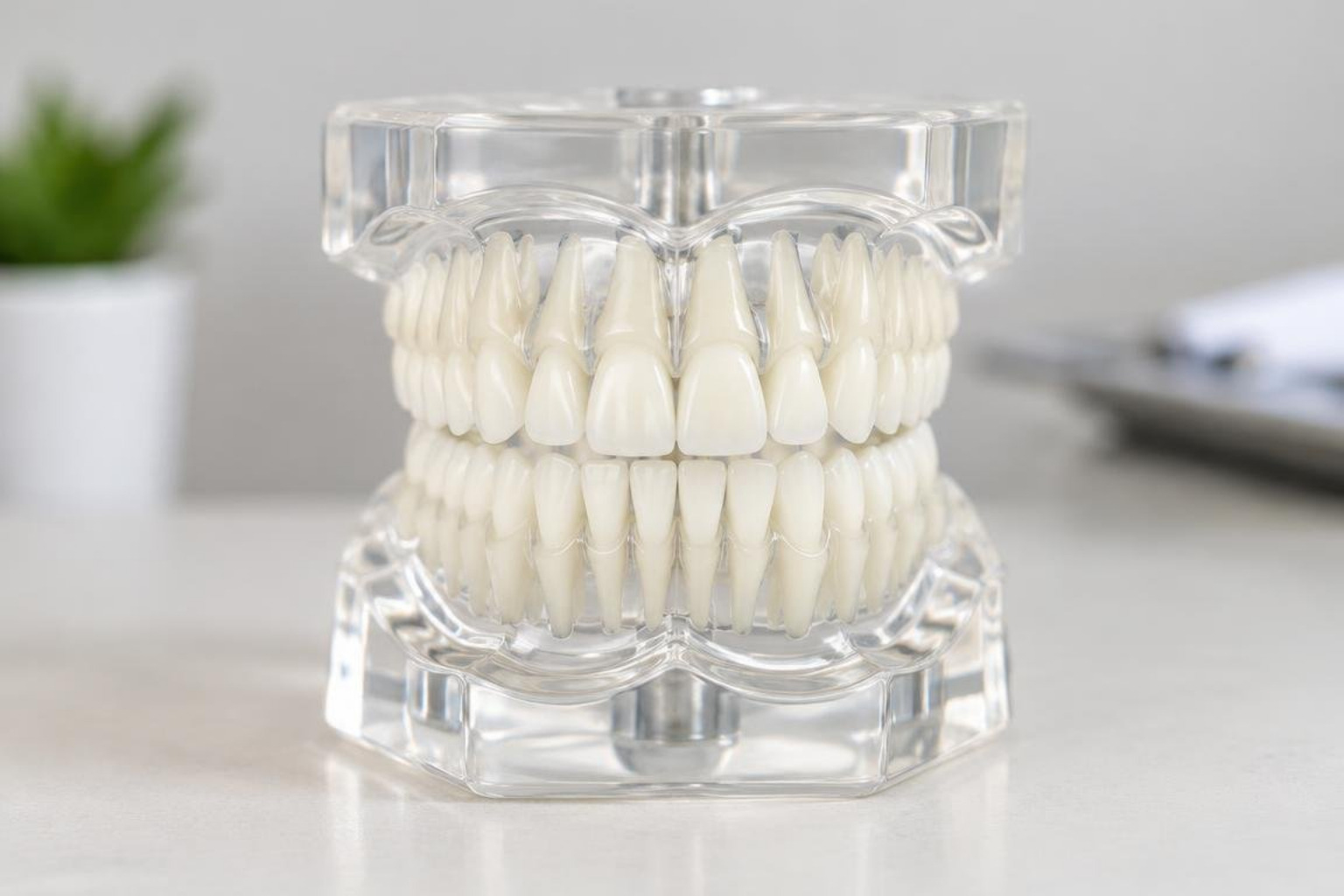
Monitoring and Early Orthodontic Care
Early orthodontic care, sometimes called interceptive care, focuses on a specific developmental concern rather than treating every child who attends an assessment. The aim is to understand growth, tooth eruption, and bite relationships so your family can make an informed decision.
| Approach | What I Review | When It May Be Considered |
|---|---|---|
| Active monitoring | Growth, tooth eruption, and bite development. | Minor variations where observation is appropriate. |
| Early orthodontic care | A specific bite or space concern. | A clinical assessment indicates that guidance may be suitable. |
Appliances and Clear Aligners for Suitable Cases
An upper expansion appliance may be considered when a clinical assessment identifies a narrow upper arch or a crossbite. The choice of appliance, if any, depends on the child’s bite, growth pattern, and ability to manage the recommended care.
Clear aligners, including Spark aligners and Invisalign, may also be considered for suitable younger patients. I discuss each option carefully with parents, including what day-to-day care involves.
A Personalised Plan for Your Child
Every child develops differently, so I do not take a standard approach to early orthodontic care. I use clinical examination, photographs, and digital modeling for clinical planning to assess each child’s needs.
I personally conduct the assessments and appointments at NK Orthodontist. This continuity helps families ask questions and understand why I recommend monitoring, further review, or a particular treatment pathway.
Why Brisbane Families Choose NK Orthodontist
For more than 30 years, I have provided orthodontic assessments and care for children and families across Brisbane and North Brisbane. At our Chermside practice on 510 Rode Road, I personally see every patient at every appointment.
I take a transparent, considered approach to children’s orthodontic care. You will receive a clear explanation of what I observe, whether your child may benefit from monitoring, and what the next step could involve.
If you would like a personalised assessment for your child, please Book a Consultation with my team.
Frequently Asked Questions
What age should my child first see an orthodontist?
For many children, an initial assessment around age seven is helpful. At this stage, I can usually review emerging adult teeth and how the bite is developing. The visit may simply establish a baseline for future monitoring.
Does an early assessment mean my child will need braces?
No, an early assessment does not mean your child will automatically need braces or another appliance. Many children only need occasional reviews as their teeth and jaws develop. I recommend active care only when it may be appropriate for the clinical findings.
What signs should prompt an orthodontic assessment?
Crowding, uneven tooth loss, crossbites, underbites, and a jaw that shifts when closing are all useful signs to mention. Ongoing thumb or finger sucking and difficulty chewing can also be relevant. I consider these observations alongside a full assessment.
What happens at a child’s orthodontic assessment?
I review your child’s teeth, bite, jaw relationship, and eruption pattern. I may also take photographs or use digital records when clinically appropriate. I then explain what I have observed and whether monitoring or further discussion may be helpful.
Can younger children use clear aligners?
Yes, clear aligners may be considered for some younger patients. Suitability depends on the bite, dental development, treatment goals, and whether the child can manage the required daily care. Spark aligners and Invisalign are options I may discuss where appropriate.
How does Dr Nick approach early orthodontic care?
I take a conservative, individual approach to every child’s assessment. I personally see each patient at every appointment and use the findings to guide a clear discussion with parents. My aim is to recommend care only when it may offer a meaningful clinical benefit.
What should I do if I am unsure whether my child needs an assessment?
Booking an assessment is a practical way to discuss what you have noticed and receive advice tailored to your child. I can explain whether observation is appropriate or whether any aspect of development warrants further review. You do not need to decide on treatment before the appointment.


