

Key Takeaways
Orthodontics for Kids Under 10 is a broad topic, but the core answer is simple: the Australian Society of Orthodontists recommends every child have their first orthodontic evaluation by age 8, earlier if you notice anything unusual.
Key Takeaways:
- The Australian Society of Orthodontists recommends that children have their first orthodontic check-up by age 8.
- Early intervention, also called Phase One treatment, typically lasts around 12 months.
- Addressing jaw growth during childhood may help reduce the likelihood of more complex treatment later, such as extractions or surgery.
- Parents can begin the process with a free online assessment form to receive initial clinical guidance.
Here is what most parents want to know straight away:
- When to start: First check-up by age 8, or sooner if signs appear
- What early treatment involves: Phase One treatment, typically lasting around 12 months, focused on guiding jaw growth while baby and adult teeth are both present
- Who needs it: Not every child — a specialist will assess whether active treatment or monitoring is more appropriate
- What it may help with: Crowding, crossbites, jaw shifts, and protruding teeth, among other clinical concerns
- What comes next: A resting period followed by Phase Two treatment once permanent teeth have erupted, usually around age 11 to 13
Early evaluation does not always mean immediate treatment. In many cases, the most useful outcome of that first visit is simply having a specialist monitor your child’s development at the right intervals.
I’m Dr Nick, a Specialist Orthodontist with over 30 years of experience and more than 11,500 patients treated across my two Brisbane practices in Chermside and Spring Hill, and orthodontics for kids under 10 is an area I work in regularly, assessing children at the earliest signs of developing jaw and bite concerns. In the sections that follow, I’ll walk you through everything Brisbane parents need to know about early intervention: what to look for, what treatment involves, and how to decide whether now is the right time to act.
The Optimal Age for Orthodontics for Kids Under 10
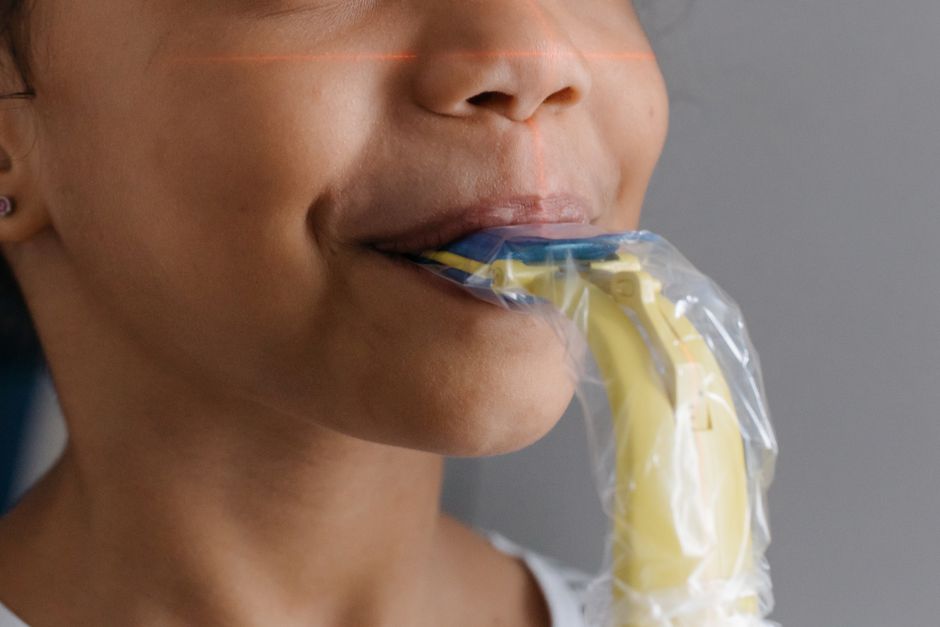
Many parents in Brisbane are surprised to learn that the ideal window for a first orthodontic visit is well before the teenage years. While most children start losing baby teeth around age 5, it is the eruption of the first adult molars, usually around age 7 or 8, that provides the clinical benchmark we need.
By age 8, the back bite is established. This allows a specialist orthodontist to evaluate the relationship between the upper and lower jaws and identify any potential for crowding or misalignment. Following the Australian Society of Orthodontists guidelines, we look for specific developmental markers that indicate whether a child’s teeth and jaws are on the right track.
Our Kids Under 10 service focuses on this “golden window.” At this age, the jaw bones are still growing and are significantly more malleable than those of an adult. This makes it a highly effective time to guide development rather than attempting to move teeth through hardened bone later in life.
Common Orthodontic Problems for Kids Under 10
When we examine children in our Chermside or Spring Hill clinics, we look for several specific clinical indicators. Crowding is one of the most common observations, occurring when there is insufficient space in the jaw for adult teeth to emerge. We also look for crossbites, where the upper teeth sit inside the lower teeth, often causing a lateral jaw shift that can lead to asymmetrical growth.
Protruding front teeth are another common concern, as they can be more susceptible to accidental injury during play or sport. As we explain in our guide, Don’t Wait Until They Are Teenagers to See an Orthodontist, identifying these variations early allows us to plan for a more straightforward treatment path in the future.
Treatment Options for Orthodontics for Kids Under 10
If we determine that active intervention is necessary, several options are available to guide your child’s dental development. Palatal expanders are frequently utilised to gently widen the upper jaw, creating the necessary room for erupting adult teeth. We may also use partial braces on a few key teeth to correct specific bite issues.
For families seeking a different approach, Invisalign First is a modern option designed specifically for the unique needs of growing mouths. Space maintainers are also vital if a child loses a baby tooth prematurely due to decay or injury, as they prevent neighbouring teeth from shifting into the gap. You can explore these further in our resource, From Baby Teeth to Braces: Your Guide to Kids Orthodontic Options.
Understanding Interceptive Treatment (Phase One)

Interceptive treatment, or Phase One, is a problem-focused stage that typically occurs while a child has “mixed dentition”: a combination of baby and adult teeth. This phase is not about achieving a perfect aesthetic result; rather, it is about laying a healthy foundation for the permanent teeth to follow.
During this stage, we focus heavily on bone development. Because children’s jaws are still growing, we can influence the width and length of the dental arches. This proactive approach may help simplify the second phase of treatment and can sometimes reduce the likelihood of needing permanent tooth extractions later.
| Feature | Phase One Treatment | Phase Two Treatment |
|---|---|---|
| Typical Age | 7 to 10 years old | 11 to 13 years old |
| Primary Goal | Guide jaw growth and create space | Final alignment of all adult teeth |
| Duration | Approximately 12 months | 18 to 24 months |
| Focus | Skeletal and foundational | Aesthetic and functional bite |
We also offer options like Invisalign for younger patients who may prefer a removable appliance. This can be particularly helpful for maintaining oral hygiene, as the aligners are taken out for brushing and flossing.
The Role of Habits in Dental Development
Environmental factors and childhood habits can play a significant role in how a child’s bite develops. Prolonged thumb sucking after age 5 can lead to an “open bite,” where the front teeth do not meet. Similarly, mouth breathing or a tongue thrust habit can influence the shape of the palate and the position of the teeth.
Identifying these clinical indicators early is a key part of our initial assessment. We often work with parents to monitor these behaviours and provide guidance on how they may be impacting the child’s dental health. For more detailed answers on habit-related concerns, visit our FAQ page.
The Two-Phase Orthodontic Process
The two-phase approach is a strategic method designed to achieve the most stable results by working with a child’s natural growth spurts. Phase One addresses foundational skeletal issues, while Phase Two focuses on the fine-tuning of every individual tooth once the permanent set has fully erupted.
Between these two stages is a “resting period.” During this time, we remove active appliances and monitor the child every 6 to 12 months. This allows the remaining adult teeth to emerge naturally into the space we have created. Dr Nick personally oversees every check-up during this transition to ensure Phase Two begins at exactly the right time.
When the time is right, Braces or clear aligners are used in Phase Two to establish the final bite and alignment. This comprehensive approach ensures that the teeth and jaws work together harmoniously for long-term health.
What to Expect During the First Visit
The first visit to our Brisbane practices is designed to be a relaxed and informative experience for both you and your child. This 60-minute initial exam includes a thorough clinical assessment where we take clinical photos and perform digital modeling for clinical planning.
We will discuss any identified concerns, the potential treatment timeline, and whether your child is ready for Phase One or should enter our observation program. You can easily Orthodontic Consultation – Book Online to find a time that suits your family’s schedule in Chermside or Spring Hill.
Identifying Clinical Indicators at Home
While a professional screening is essential, parents are often the first to notice subtle signs that a child might benefit from an evaluation. You might observe that your child loses baby teeth very early or very late, or that they have difficulty chewing or biting comfortably.
Other signs include a facial imbalance or a jaw that appears to shift to one side when they speak or eat. While these are not always a cause for immediate alarm, they are clinical indicators that a specialist should take a look. To see the types of cases we manage, you can visit our smile gallery.
Your Next Step with Dr Nick
At NK Orthodontist, we believe in a conservative and transparent approach to orthodontics for kids under 10. Dr Nick brings over 30 years of experience to every appointment, having treated more than 11,500 patients. We are proud of our 565 five-star Google reviews, which reflect our commitment to personalised care in Brisbane.
Whether you visit us in Chermside or Spring Hill, you will always see Dr Nick personally. We do not delegate clinical treatment to assistants, ensuring your child receives the highest level of specialist expertise at every step. If you are ready to learn more about your child’s dental development, we invite you to Book Now for a consultation.
Frequently Asked Questions
When should my child first see an orthodontist?
Children should have their first orthodontic evaluation by age 8. This timing allows a specialist orthodontist to monitor the eruption of the first adult molars and identify any developing jaw growth issues. Early detection may help simplify future treatment needs as the child grows.
What are the signs my child needs early treatment?
Common indicators include mouth breathing, thumb sucking after age 5, or early loss of baby teeth. You may also notice a lateral jaw shift when your child opens or closes their mouth. These clinical signs often suggest that an early consultation is appropriate to monitor dental development.
What is Phase One orthodontic treatment?
Phase One is a problem-focused treatment that typically occurs between the ages of 7 and 10. It focuses on guiding jaw growth and creating adequate space for permanent teeth while the child still has a mix of baby and adult teeth. This foundational phase usually lasts about 12 months.
Can early treatment prevent future surgery?
Early intervention may reduce the likelihood of needing invasive oral surgery or tooth extractions later in life. Because a child’s jaw bones are still developing and more malleable, a specialist orthodontist can guide growth more effectively than in adulthood. This proactive approach often leads to more stable long-term results.
How long does Phase One treatment last?
Most Phase One treatments are completed within 12 months. After this period, the child enters a resting phase where the orthodontist monitors the natural eruption of the remaining permanent teeth. A second phase of treatment may be recommended once all adult teeth are present, usually around age 12 or 13.
What causes orthodontic issues in young children?
Most orthodontic variations are inherited, though some are acquired through specific habits or environmental factors. Habits like prolonged thumb sucking or mouth breathing can influence how the jaw develops over time. Early loss of baby teeth due to decay or injury can also cause surrounding teeth to shift into the empty space.
Is early treatment always necessary?
Early treatment is only recommended when there is a clear clinical benefit to intervening before all permanent teeth erupt. In many cases, Dr Nick may suggest a “wait and see” approach, monitoring the child’s growth every 6 to 12 months. This ensures that treatment only begins at the most effective developmental window.
What happens during the resting period?
The resting period is a time of observation that occurs between Phase One and Phase Two. During this stage, the remaining permanent teeth are allowed to erupt naturally without active appliances. Regular check-ups every 6 months allow the orthodontist to track progress and determine the optimal time for the final alignment phase.


