

Orthodontist vs Endodontist: Which Specialist Do You Need?
The difference between an orthodontist and an endodontist comes down to the part of your dental health that needs attention: I help patients with tooth alignment and bite concerns, whereas an endodontist focuses on problems inside an individual tooth, such as pulp inflammation, infection, or root canal care.
If you have persistent tooth pain, swelling, sensitivity, or a suspected cracked tooth, arrange an assessment with your dentist promptly; if your concern is crowding, spacing, bite alignment, or the way your teeth meet, an orthodontic consultation may be the more relevant next step, and your general dentist can help coordinate care if you are unsure.
Key Takeaways
- See an orthodontist when tooth position, spacing, crowding, or bite alignment is your main concern.
- Arrange a dental assessment promptly for ongoing toothache, swelling, or lingering sensitivity.
- Understand that an endodontist focuses on the pulp and roots inside a tooth, including root canal treatment when appropriate.
- Expect your general dentist to help coordinate care when more than one dental professional is involved.
- Review our treatment and pricing information before booking an orthodontic consultation.
I am Dr Nick, a Specialist Orthodontist with more than 30 years of clinical experience in Brisbane. I regularly assess the relationship between tooth position, bite function, and the wider dental care a patient may need, so I can explain clearly when an orthodontic opinion is relevant and when another specialist should be involved.
Orthodontist vs Endodontist: Core Differences
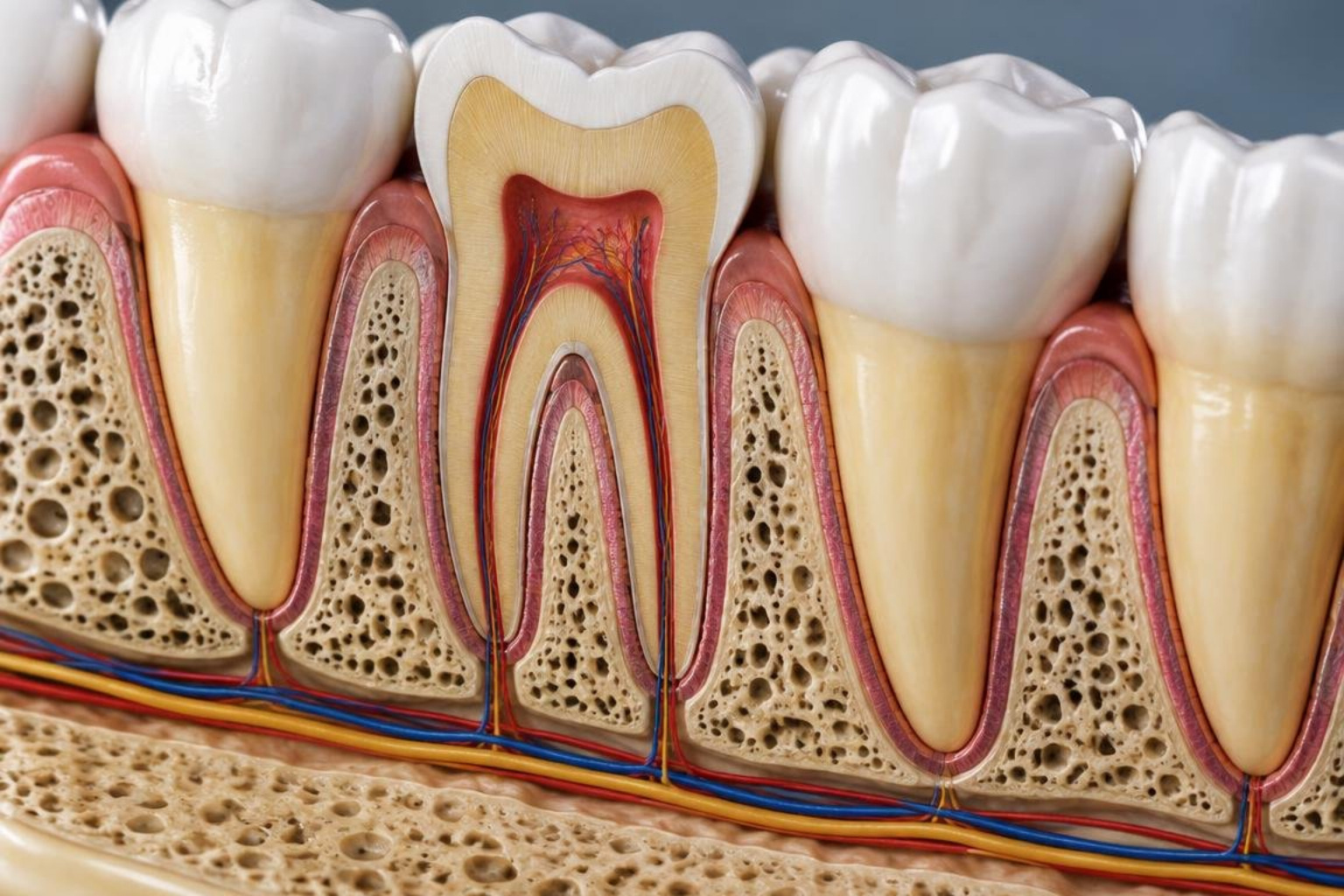
Orthodontists and endodontists are both dental specialists, but they address different clinical questions. The most useful starting point is whether the concern relates to the position of teeth and bite, or the health of a tooth’s internal tissues.
What an Orthodontist Does
As an orthodontist, I assess how teeth sit in the jaws and how the upper and lower teeth meet. I may recommend braces, clear aligners, or retainers when a patient has crowding, spacing, bite variation, or another alignment concern.
Orthodontic care involves carefully planned tooth movement over time. I use digital modeling for clinical planning to assess the bite, discuss suitable options, and monitor how treatment is progressing.
What an Endodontist Does
An endodontist assesses the dental pulp and root canals inside a tooth. This specialist may be involved when deep decay, trauma, a crack, or infection has affected the tooth’s internal tissues.
Root canal treatment and related care aim to manage infection or inflammation inside the tooth when clinically appropriate. Your general dentist or endodontist can advise whether a tooth needs this type of assessment.
Specialist Care in Australia
In Australia, specialist registration is regulated through the Dental Board of Australia. You can read the Board’s information about specialist registration if you would like to understand the role of recognised dental specialties.
When to See an Orthodontist or an Endodontist
You do not need to diagnose the issue yourself before seeking help. Your symptoms and goals usually indicate whether you should begin with your general dentist, an orthodontist, or an endodontist.
Signs an Orthodontic Assessment May Be Relevant
I may assess patients who are concerned about crowding, gaps, rotated teeth, or the way their bite comes together. An orthodontic review can also be useful when a dentist notices tooth wear, a crossbite, an open bite, or a jaw relationship that needs specialist consideration.
The focus is not only appearance. Tooth position and bite function can be part of a broader dental assessment, and the right approach depends on your individual clinical needs.
Signs an Endodontic Assessment May Be Relevant
An endodontic assessment may be relevant for a toothache that lingers, pain on biting, swelling near a tooth, or ongoing hot and cold sensitivity. A cracked tooth or dental injury can also affect the pulp inside a tooth.
Your dentist can assess the situation and refer you to an endodontist when specialist root canal care or further investigation may be appropriate. If symptoms are severe or worsening, seek prompt dental advice.
How the Treatments Differ
| Clinical focus | Orthodontist | Endodontist |
|---|---|---|
| Main concern | Tooth position and bite alignment | Pulp and root health inside a tooth |
| Typical care | Braces, clear aligners, and retainers | Root canal treatment and related care |
| Assessment | Bite, tooth position, facial balance, and dental records | Symptoms, tooth vitality, X-rays, and root anatomy |
| Ongoing care | Reviews throughout an orthodontic treatment plan | Review of the treated tooth and its restoration |
When Both Specialists May Be Involved
Some patients need input from both an orthodontist and an endodontist. This can happen when a tooth that may need orthodontic movement also has a pulp or root concern that requires separate assessment.
Coordinating Care with Your General Dentist
Your general dentist is often the best first point of contact because they can assess the whole picture. They may coordinate X-rays, restorative planning, endodontic care, and orthodontic referral in the order that suits your clinical circumstances.
In some cases, an endodontist manages the tooth first and I assess orthodontic movement once the tooth is ready for that discussion. The sequence is individual, so your treating practitioners will communicate about the relevant findings and options.
Good coordination helps make each clinician’s role clear. It also means you can ask practical questions about what is being assessed, which appointments are relevant now, and whether your general dentist needs information from either specialist.
Choosing the Right Appointment in Brisbane
For tooth pain or possible infection, contact your general dentist or an endodontist. For questions about alignment, bite concerns, braces, or clear aligners, you can arrange an orthodontic consultation with my Brisbane practice in Chermside.
If you are unsure, start with the practitioner who can assess your immediate concern. A referral or shared clinical notes can help the team coordinate your care when needed.
Your Next Step with Dr Nick
If your main concern is tooth alignment or how your bite functions, I can provide a personalised orthodontic assessment at NK Orthodontist, 510 Rode Road, Chermside, North Brisbane. With more than 30 years of clinical experience, I focus on clear explanations, careful planning, and a transparent discussion about the treatment options that may suit your situation.
Our practice has also consulted from 400 Gregory Terrace, Spring Hill. Please confirm current appointment availability before making plans for that location.
I personally see patients at each appointment, so you can ask questions and understand what the proposed plan involves. When you are ready to discuss your alignment or bite concerns, book a consultation with Dr Nick.
Frequently Asked Questions
What is the main difference between an orthodontist and an endodontist?
An orthodontist focuses on tooth position and bite alignment, whereas an endodontist focuses on the pulp and roots inside a tooth. I assess concerns such as crowding, spacing, and bite variation. An endodontist may assess pain, infection, trauma, or other problems affecting the inside of a tooth.
Do I need a referral to see an orthodontist or an endodontist?
No, you may be able to arrange a consultation directly with either specialist. Your general dentist can still be a helpful starting point, especially if you have pain or need records such as X-rays shared between practitioners. The best pathway depends on the concern being assessed.
Can a general dentist help decide which specialist I need?
Yes, a general dentist can help identify the most relevant next step. They can assess symptoms, take X-rays where needed, and refer you for specialist care. This can be particularly helpful when the concern involves both a tooth and the way it sits in the bite.
Can I need treatment from both an orthodontist and an endodontist?
Yes, some patients need care from both specialists. A tooth may need endodontic assessment before orthodontic treatment is considered, particularly after trauma, deep decay, or a crack. Your treating practitioners can coordinate the sequence of care based on the clinical findings.
Does tooth pain mean I should see an endodontist?
Tooth pain can be a reason to seek a dental assessment, but it does not automatically mean you need an endodontist. Your general dentist can assess the cause and advise whether specialist root canal care may be appropriate. Seek prompt dental advice if pain is persistent, severe, or accompanied by swelling.
Can orthodontic treatment move a tooth that has had root canal treatment?
In some cases, a tooth that has received root canal treatment may still be considered for orthodontic movement. The decision depends on the tooth’s condition, supporting tissues, restoration, and the advice of the treating dental team. I review each situation individually before discussing orthodontic options.
What does an orthodontic consultation involve?
An orthodontic consultation involves an assessment of your teeth, bite, and dental concerns. I discuss what I observe, explain whether orthodontic treatment may be relevant, and outline the next steps if further planning is appropriate. You will have an opportunity to ask questions about braces, clear aligners, retainers, or referral coordination.


