

Child jaw development changes as your child grows, and regular dental reviews can help you notice whether the teeth, bite and jaw relationship need closer monitoring. Most variations simply need observation, not immediate treatment.
Key Takeaways
- Notice whether your child can bite and chew comfortably, and raise any ongoing concerns at a routine dental review.
- Observe persistent sucking habits, mouth-open resting posture, snoring or mouth breathing as clinical observations worth discussing.
- Offer a varied range of age-appropriate food textures as your child becomes ready for them.
- Ask for an orthodontic assessment when you notice a crossbite, uneven bite, marked crowding or an eruption concern.
- Learn when early orthodontic treatment may be suitable for a developing bite.
About the Author
I am Dr Nick, a Specialist Orthodontist in Brisbane with more than 30 years of experience assessing developing bites and jaw relationships. I personally see families throughout their care, so I can monitor changes over time and explain clearly when continued observation or an orthodontic assessment may be appropriate.
Understanding Child Jaw Development
Your child’s upper and lower jaws do not grow in exactly the same way or at the same pace. I look at how the teeth, jaws, tongue posture, chewing function and breathing pattern work together, rather than relying on one sign alone.
Regular reviews create a useful baseline. They also give you a straightforward way to discuss anything you have noticed at home, without assuming that treatment is needed.
How the Jaws and Teeth Change as Children Grow
The upper jaw and lower jaw develop along different patterns. The upper jaw contributes to the width of the dental arch, while the lower jaw continues to adapt as your child grows and their bite changes.
What I Look For in Early Dental Development
Spacing between baby teeth can be a helpful clinical observation because adult teeth usually need more room as they emerge. A close-set baby dentition does not confirm that crowding will occur, but it can be worth monitoring as the bite develops.
I also assess how the back baby teeth meet and whether the dental arches look balanced. These details help me understand how the first adult teeth may come through and whether further observation would be useful.
Why Growth Timing Matters
Jaw growth is not constant. It can change more noticeably during certain stages of childhood and adolescence, so I consider your child’s individual development rather than relying on a single age or timetable.
This is why a baseline orthodontic assessment can be helpful when the adult front or back teeth begin to emerge, or sooner if you have noticed a bite variation. It gives us a clear starting point for future reviews.
How to Notice Common Bite and Growth Variations
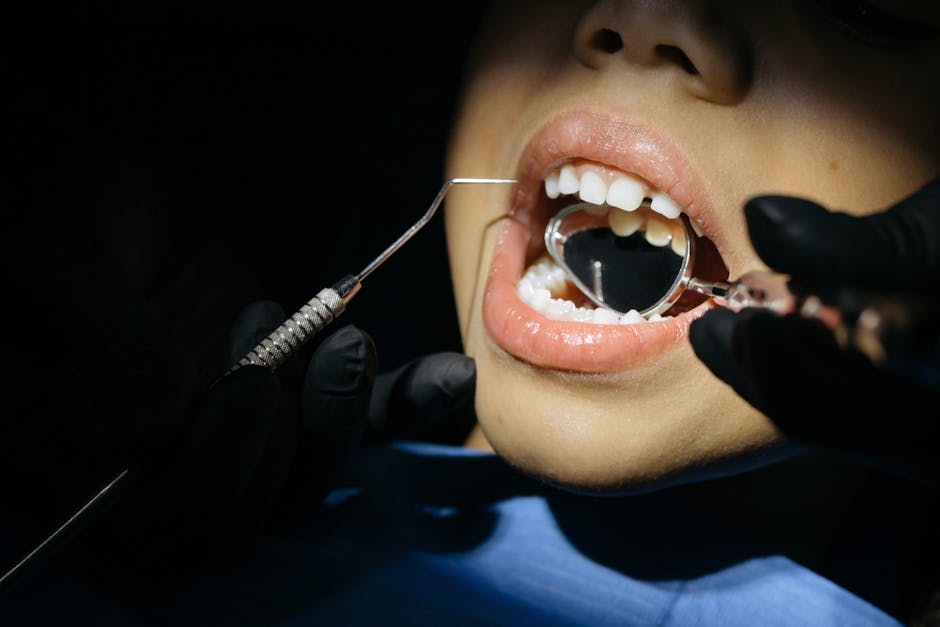
You do not need to diagnose a bite variation at home. You can simply notice how your child’s teeth meet, whether the jaw shifts when they close, and whether new teeth seem to have enough room to emerge.
A crossbite can occur when upper back teeth sit inside the lower back teeth. A pronounced overjet describes a larger gap between the upper and lower front teeth, while an underbite pattern occurs when the lower front teeth sit ahead of the upper front teeth.
Oral Habits and Everyday Function
Persistent thumb or finger sucking, prolonged dummy use, mouth-open resting posture and mouth breathing are observations to discuss at a dental or orthodontic review. These patterns may influence the balance of forces around the developing teeth and dental arches over time.
An anterior open bite is one possible variation, where the front teeth do not meet when the back teeth are together. You can read more about open bite in children if this is something you have noticed.
Eruption and Space to Watch
Teeth occasionally emerge outside their expected path or appear to lack space. I can assess these changes with an examination and, where appropriate, diagnostic records to understand whether monitoring is sufficient.
Crowding can become easier to recognise as adult teeth emerge. Our guide to crooked teeth in children explains the signs families commonly ask about and when a review may be worthwhile.
Practical Ways to Support Healthy Jaw Development
Healthy child jaw development is supported by regular dental care, everyday observation and a varied diet that suits your child’s stage of eating. The goal is not to monitor every small change, but to bring persistent concerns to a professional who can assess them in context.
| Developmental stage | What you may notice | Helpful next step |
|---|---|---|
| Baby teeth | Spacing, oral habits and how the teeth meet | Mention persistent observations at routine dental visits. |
| Transition to adult teeth | New teeth emerging and changes in available space | Consider an orthodontic assessment if teeth appear crowded or uneven. |
| Growing bite | Changes in how the jaws meet or a jaw shift on closing | Arrange a review if the bite looks asymmetrical or difficult to close. |
| Adolescent growth | Ongoing changes in jaw relationship and tooth alignment | Continue monitoring with your dental team or orthodontist. |
Food Textures and Chewing
As your child is ready to move beyond softer foods, varied age-appropriate textures can encourage everyday chewing. Their overall nutrition and feeding history are individual, so it is sensible to discuss any feeding concerns with the relevant health professional.
When an Orthodontic Assessment May Help
An orthodontic assessment can provide a baseline if you are concerned about a crossbite, crowding, uneven eruption or a jaw shift. I use a clinical examination and appropriate records to assess the teeth, dental arches and jaw relationship.
A review does not automatically lead to treatment. In some cases, observation is the most appropriate next step, and in others I may discuss whether a growth-guided approach could be suitable. For more detail, see this guide to early orthodontic treatment.
Your Next Step with Dr Nick
If you are unsure whether a change in your child’s bite is worth checking, I can help you understand what I am seeing and whether monitoring or further assessment may be appropriate. I have worked with Brisbane and North Brisbane families for more than 30 years, and I personally see each patient at every appointment.
At NK Orthodontist in Chermside, 510 Rode Road, I take a transparent approach to discussing developing bites, including what we can observe now and what may simply need time. You can book a consultation to discuss your child’s jaw development with me.
Frequently Asked Questions
When should I have my child’s jaw development assessed?
An orthodontic assessment may be helpful when adult teeth begin to emerge or whenever you notice a bite variation. I consider your child’s individual development, the way their teeth meet and any concerns you have noticed at home. A review can provide a baseline even when treatment is not currently indicated.
Can feeding habits affect dental arch development?
They may contribute to oral function and chewing patterns as a child grows. Feeding history is only one part of the picture, so I consider it alongside the teeth, bite and overall development. If you have concerns about feeding, it may also be helpful to speak with the relevant health professional.
Can thumb sucking or pacifier use affect the bite?
They can be associated with changes in the dental arches or the way the front teeth meet when the habit persists. The effect can vary between children and should be assessed in the context of the whole developing bite. A review can help determine whether monitoring, practical guidance or further assessment is appropriate.
What signs can suggest a narrow upper jaw?
A posterior crossbite, a jaw shift when closing or limited space for emerging teeth may be reasons to arrange a review. These signs do not provide a diagnosis on their own, but they are useful observations to share. I assess the teeth and jaw relationship before advising on next steps.
Does jaw growth differ between children?
Yes, jaw growth and tooth eruption vary between children. I assess development individually rather than applying one timetable to everyone. This approach helps keep monitoring relevant to your child’s own stage of growth.
Will an early assessment mean my child needs treatment?
No, an assessment may simply provide a baseline and a plan for observation. In some cases, I may discuss treatment options if the developing bite suggests that an intervention could be suitable. The purpose of the review is to give you clear information, not to assume that treatment is required.
Can mouth breathing influence facial development?
It may be associated with changes in resting oral posture and tongue position over time. Persistent mouth breathing can have several causes, so I may recommend discussing it with the relevant health professional as part of a broader assessment. I also consider it alongside the bite, oral habits and general health history.


