

If you are comparing a dentist with a specialist orthodontist, the simplest starting point is to look at your main concern. Your general dentist supports everyday oral health, and a specialist orthodontist focuses on tooth alignment, bite relationships, and jaw development.
Key Takeaways
- See a general dentist for routine oral health care, preventive checks, tooth discomfort, gum concerns, or restorative dental work.
- Consider a specialist orthodontist when crowding, spacing, bite balance, jaw relationship, braces, clear aligners, or retainers are your main concern.
- You can book an orthodontic assessment directly, without usually needing a formal referral from your dentist.
- Early orthodontic reviews may help monitor how a child’s teeth and jaws are developing over time.
- Treatment costs vary by case, so review transparent orthodontic pricing when you want a clearer starting point.
About the Author
I am Dr Nick, a Specialist Orthodontist with more than 30 years of experience and more than 11,500 patients treated in private practice. In this guide to orthodontic specialists and dentists, I explain the educational qualifications, diagnostic scope, and practical clinical considerations that may help you choose the most appropriate care pathway for your oral health needs.
The Key Difference Between an Orthodontic Specialist and a Dentist
The main difference is focus. A general dentist provides broad oral health care, such as routine check-ups, professional cleans, dental fillings, crowns, and tooth decay management. A specialist orthodontist is a registered dental practitioner who has completed additional full-time university postgraduate training focused on tooth movement, bite alignment, and facial jaw development.
When you are comparing an orthodontic specialist with a dentist:
- See a general dentist for routine preventive oral health care, toothache, cavity management, gum concerns, or restorative dental work.
- See a specialist orthodontist when crowded or spaced teeth, bite alignment concerns, skeletal jaw discrepancies, or braces and clear aligners are your main focus.
- You can contact a specialist orthodontist directly, as a formal referral from a general dentist is not generally required.
Both dental professionals play an important collaborative role in supporting lifelong oral health. Your dentist helps maintain healthy enamel, clean surfaces, and resilient gum tissues before and during orthodontic care. An orthodontist assesses how teeth, dental arches, and jaws align with one another, developing a structured plan when alignment support is indicated. In early childhood, an assessment allows a practitioner to monitor developing teeth and jaws over time.
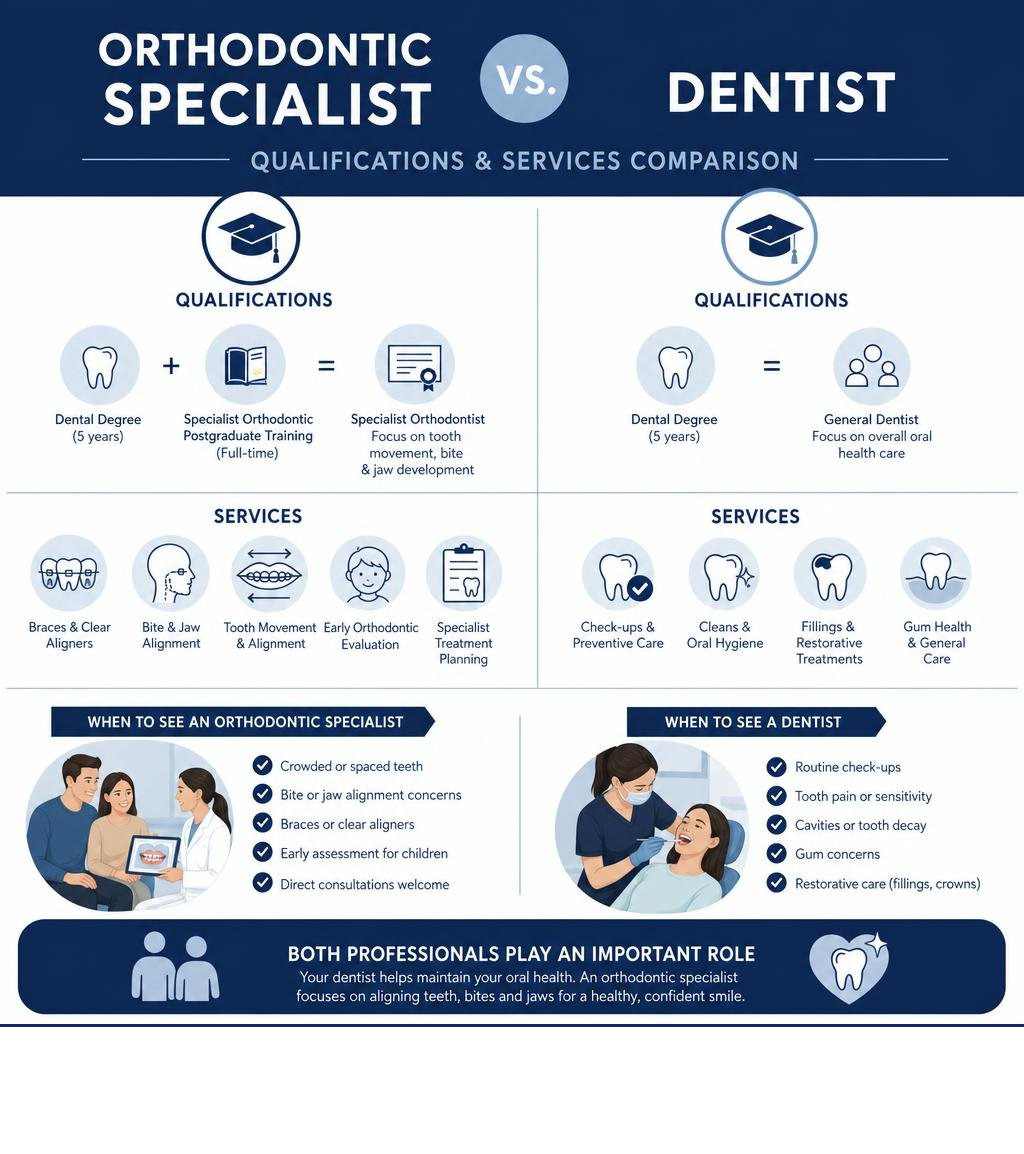
Comparing Qualifications: Orthodontic Specialist vs Dentist
Understanding the different education pathways can make the choice feel clearer. Both practitioners begin with foundational dental studies, but their training diverges after university graduation.
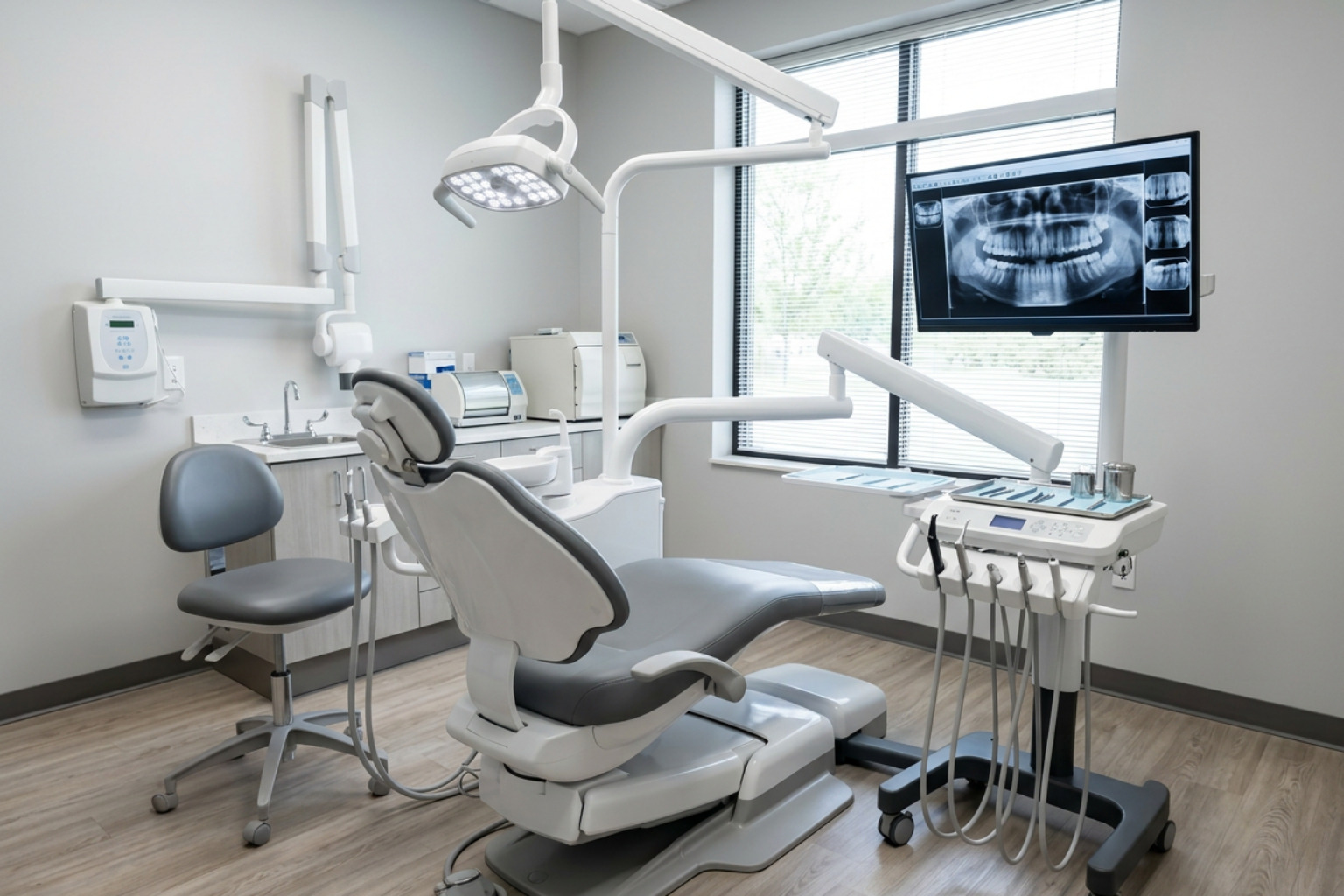
You can explore detailed information on specialist orthodontic qualifications to review the rigorous formal university curriculum required for specialist registration.
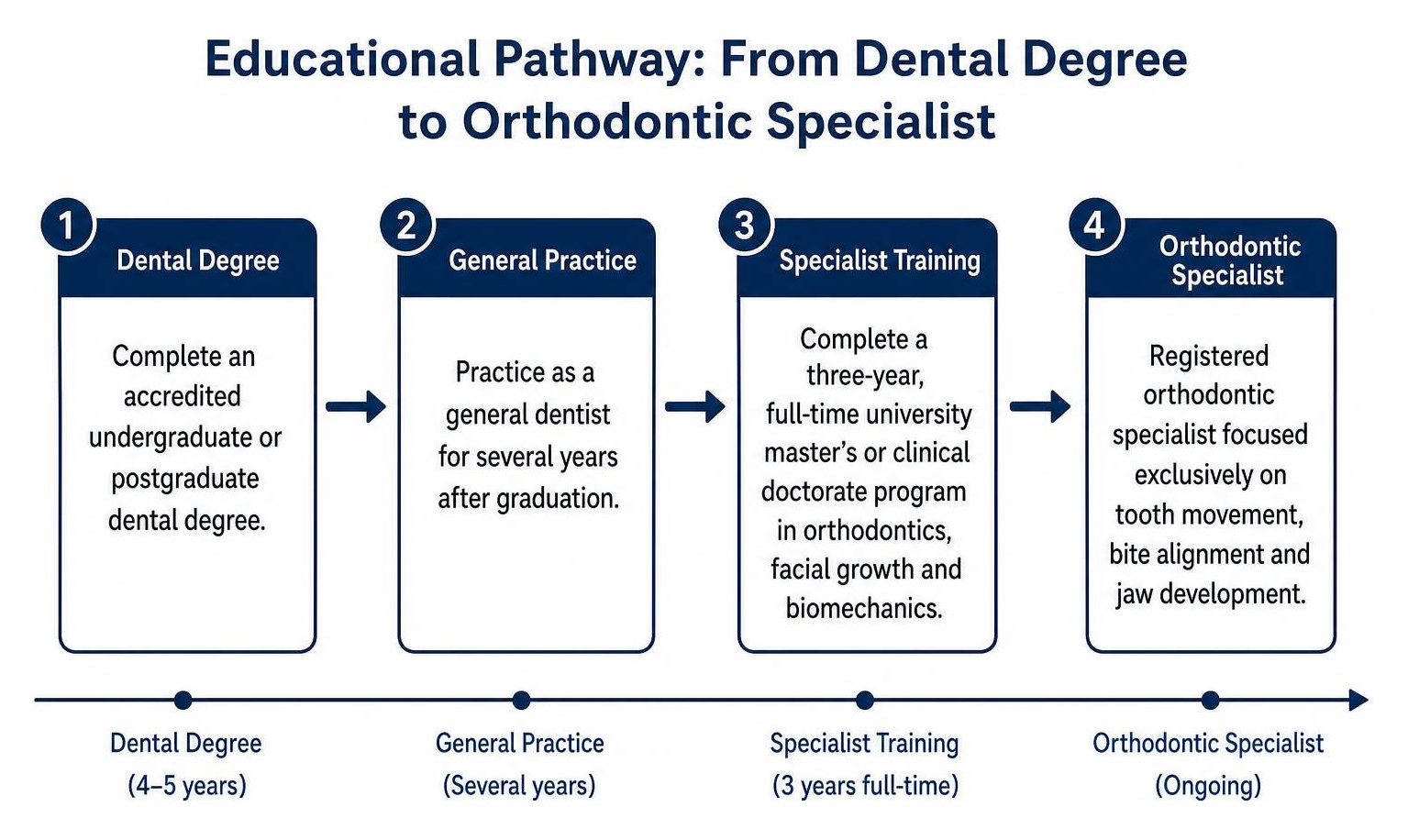
Educational Pathway: Orthodontic Specialist vs Dentist
A general dentist completes an undergraduate or postgraduate dental degree accredited by the Dental Board of Australia. This foundational training covers general tooth anatomy, oral pathology, restorative procedures, basic extractions, periodontics, and prosthodontics. Following graduation, general dentists can register and practise primary dental care across community and private clinic settings.
An orthodontic specialist first completes this accredited dental degree and usually practises general dentistry for several years in clinical settings. After acquiring this clinical foundation, the dentist must gain competitive entry into an intensive, three-year full-time university master’s degree or clinical doctorate programme. This postgraduate specialty training is dedicated exclusively to orthodontics, facial growth, developmental biomechanics, and complex occlusal management.
Clinical Scope: Orthodontic Specialist vs Dentist
Clinical scope reflects this extended education. General dentists assess overall oral hygiene, manage active decay, treat gum inflammation, and restore broken or missing teeth. Their broad expertise supports overall oral health maintenance for patients of all life stages.
Specialist orthodontists limit their scope to diagnosing malocclusions, guiding jaw development, and planning controlled tooth repositioning. Reading our resource on finding a qualified specialist orthodontist provides additional guidance on how registered dental specialists assess comprehensive bite alignment.
Comprehensive Scope of General Dentistry
General dentists manage primary oral health across a broad spectrum of care. They are often the first point of contact for routine preventive care, diagnostic screening, and the detection of oral disease.

Routine examinations allow general practitioners to identify early signs of demineralisation, monitor periodontal health, and perform professional scale and clean procedures. General dentists also provide restorative and therapeutic treatments, including:
- Direct composite resin restorations to treat dental cavities
- Root canal therapy to manage infected or inflamed pulp tissue
- Dental crowns, onlays, and bridges to restore structural integrity
- Tooth extractions for non-restorable or problematic teeth
- Periodontal debridement and gum health maintenance
- Oral cancer screenings and routine soft-tissue evaluations
Maintaining these routine dental appointments supports a healthy foundation before, during, and after any orthodontic tooth movement.
Specialised Scope of Orthodontic Care
Specialist orthodontists dedicate their clinical practice to diagnosing, intercepting, and managing structural dental alignment and jaw relationships. This specialised discipline involves evaluating how the upper and lower arches fit together during chewing, speech, and resting posture.
An orthodontic assessment usually considers more than the visible position of the front teeth. I assess the relationship between the dental arches, the way teeth contact, available space for emerging teeth, jaw growth patterns, facial proportions, and the health of the supporting gums and bone. These findings help determine whether monitoring, early guidance, braces, clear aligners, or referral for additional dental care may be appropriate.
Orthodontic care incorporates varied clinical modalities tailored to individual anatomical requirements:
- Metal braces for precise control of complex tooth positioning
- Clear ceramic braces for a discreet visual aesthetic
- Spark clear aligners and Invisalign clear aligners for removable tooth movement
- Digital modelling for clinical planning to evaluate arch coordination and tooth positioning accurately
- Growth guidance and interceptive appliances to assist jaw alignment in developing children
- Custom retention systems, including clear removable plastic retainers made in-house and fixed wire retainers bonded behind the lower front teeth
Specialist orthodontists focus on tooth movement biomechanics and craniofacial growth, and they manage complex bite discrepancies, including deep overbites, underbites, crossbites, open bites, and severe crowding.
Retention is also an important part of specialist orthodontic care. Teeth can continue to respond to normal oral forces over time, so retainers are used to help maintain the tooth positions achieved during treatment. Your orthodontist will assess which retainer design is suitable and explain how ongoing review may support long-term stability.
When to See a Dentist Versus an Orthodontist
Selecting the right practitioner depends on your current oral health priority. A collaborative partnership between your general dentist and specialist orthodontist provides thorough care over time.
| Dental Concern | Primary Professional | Collaborative Role |
|---|---|---|
| Toothache or sudden pain | General dentist | Identifies decay, infection, cracked teeth, or trauma |
| Routine cleaning and check-up | General dentist | Removes calculus and monitors gum tissues |
| Crowded or spaced teeth | Specialist orthodontist | Designs custom alignment and arch management plans |
| Deep bite, crossbite, or open bite | Specialist orthodontist | Evaluates skeletal relationships and bite mechanics |
| Gum bleeding or inflammation | General dentist | Manages periodontal therapy before alignment |
| Retainer replacement | Specialist orthodontist | Evaluates current stability and fabricates new retainers |
General dentists and orthodontists frequently coordinate care. For instance, a dentist may complete restorative fillings or gum therapy before orthodontic treatment begins, and conduct routine check-ups throughout alignment.
In practical terms, a general dentist is often the first person to contact when discomfort, broken teeth, decay, bleeding gums, or concerns about existing restorations are present. These concerns may need to be assessed and managed before tooth movement is considered.
A specialist orthodontist is the appropriate clinician when your main question relates to alignment, bite balance, crowding, spacing, jaw relationship, appliance options, or retainers. You may also seek an orthodontic opinion if your dentist has mentioned that tooth position could affect planned restorative work, such as crowns, implants, or replacement teeth. In these situations, orthodontic assessment may help clarify sequencing before broader dental treatment proceeds.
Choosing the Right Practitioner for Alignment or Dental Care
Achieving balanced tooth alignment and bite harmony starts with an accurate clinical assessment. At NK Orthodontist in Chermside, Brisbane, I personally see every patient at every appointment to monitor progress directly. My practice is backed by more than 30 years of experience and over 600 five-star reviews focusing on clear communication and service.
Care is never delegated to assistants or rotating practitioners, which supports consistency at every stage of your care. When you are ready to evaluate your bite or alignment, you can book an in-person consultation to discuss suitable options for your circumstances.
During a consultation, I assess your teeth, bite, facial growth pattern where relevant, and the health factors that may influence orthodontic planning. I also explain which options may be suitable, what limitations may apply, and how your general dentist can remain involved in preventive care. This gives you a clear starting point before deciding whether to proceed with treatment, continue monitoring, or seek any additional dental care first.
Frequently Asked Questions
Do I Need a Referral from a Dentist to See an Orthodontist?
You do not need a formal referral from a general dentist to schedule an appointment with a specialist orthodontist. Patients are welcome to book an initial clinical assessment directly whenever tooth alignment or bite concerns arise. Maintaining ongoing check-ups with your general dentist remains essential throughout any orthodontic care.
At What Stage Should a Child First Visit an Orthodontist?
An early orthodontic evaluation is beneficial in early childhood as adult teeth begin to emerge. At this stage, the transition from baby teeth to permanent dentition allows a clinician to monitor jaw growth, detect early crowding, and plan timely guidance if necessary.
Can a General Dentist Provide Orthodontic Alignment?
General dentists can offer certain tooth alignment services within their clinical scope after completing continuing education courses. Specialist orthodontists, however, have completed three years of dedicated full-time university postgraduate study focused entirely on tooth movement, facial growth, and complex bite relationships.
Will I Still Need to See My Dentist During Braces or Aligner Treatment?
Routine visits to your general dentist remain vital during orthodontic care. Orthodontic appliances can create additional plaque retention areas, making regular professional cleanings and examinations important for preventing cavities and gum inflammation.


