

How to Identify and Manage Orthodontic Emergencies
Orthodontic emergencies can range from a mildly annoying poking wire to a genuine urgent situation requiring immediate care. Knowing the difference helps you respond calmly and appropriately without unnecessary panic or delay.
Key Takeaways
- True orthodontic emergencies involving facial trauma or severe swelling require immediate clinical intervention.
- Most minor appliance issues can be managed temporarily at home using simple tools and orthodontic wax.
- Maintaining excellent oral hygiene may reduce the likelihood of gum irritation and related complications: see my guidance on Caring for Your Braces.
- Reviewing the pricing page ensures you understand how our all-inclusive care covers unexpected repairs.
- Contacting my Brisbane clinic as soon as an issue arises allows me to provide specific guidance for your situation.
Quick answer: How to handle an orthodontic emergency
| Situation | Severity | What to do |
|---|---|---|
| Loose or broken bracket | Minor | Cover with wax, contact clinic to book a repair |
| Poking wire | Minor | Push back with pencil eraser, cover with wax |
| Lost or broken aligner | Moderate | Contact clinic; wear previous set if advised |
| Mouth sores or irritation | Minor | Rinse with warm salt water, apply wax |
| Severe facial trauma or swelling | True emergency | Seek emergency medical care immediately |
| Heavy bleeding or difficulty breathing | True emergency | Call 000 or go to emergency department |
The reassuring reality is that true orthodontic emergencies are rare. Most issues patients experience during treatment: a loose bracket, a wire that shifts, some post-adjustment soreness, are uncomfortable but manageable at home while you wait for a scheduled repair visit.
This guide explains exactly what to do in each situation, what you can handle yourself, and when to call my Brisbane clinic right away.
I’m Dr Nick, a Specialist Orthodontist based in Chermside and Spring Hill, Brisbane, with over 30 years of experience and more than 11,500 patients treated across my career, and managing orthodontic emergencies with calm, clear guidance is something I address with every patient from day one. In the sections below, I’ll walk you through exactly how to identify, manage, and prevent the most common orthodontic issues you’re likely to encounter during treatment.
When something feels “off” with your braces or aligners, the first step is to assess the severity. I often tell my patients in Chermside that while a broken bracket might feel like a crisis, it is rarely a medical emergency. According to the Australian Society of Orthodontists, a true emergency involves trauma to the face, significant swelling, or pain that cannot be managed with standard over-the-counter methods.
Understanding the difference between a minor inconvenience and an urgent clinical need is essential for Understanding Orthodontic Emergencies. If you have sustained a direct blow to the mouth during sport or an accident, this is a priority. Similarly, if you notice signs of infection, such as fever or swelling in the gums or face, you should reach out to us immediately.
For most other issues, such as a loose wire or a lost elastic, the goal is to manage your comfort at home and then contact my office during business hours to schedule a repair. This approach ensures your treatment stays on track without causing unnecessary stress.
Immediate Steps for True Orthodontic Emergencies
In the event of a significant facial injury, your first priority is your overall health. If you experience heavy bleeding that does not stop after applying pressure, or if you have difficulty breathing or swallowing, please call 000 or head to the nearest Brisbane emergency department. These are medical priorities that must be addressed before we look at your orthodontic appliances.
If a permanent tooth has been knocked out or severely displaced due to trauma, time is of the essence. You should contact an emergency dentist or my clinic immediately. If the trauma involves your braces, do not attempt to pull them out yourself, as the wires may actually be helping to stabilised the teeth until a professional can see you.
Home Remedies for Minor Orthodontic Emergencies
The vast majority of orthodontic emergencies are minor and can be temporarily resolved using items you likely already have in your bathroom cabinet. A loose bracket that is still attached to the wire, for example, can often be left alone if it isn’t causing pain. If it is sliding around, you can use a small amount of orthodontic wax to “glue” it into a comfortable position against the tooth.
Poking wires are another common complaint. As teeth move, the archwire may occasionally extend past the back bracket, irritating the cheek. You can often use a clean pencil eraser or a cotton swab to gently push the wire flat against the tooth. For a detailed breakdown of these scenarios, visit my page on Common Orthodontic Problems and How to Take Action. These simple fixes are designed to keep you comfortable until your next visit to our Chermside or Spring Hill clinic.
Troubleshooting Common Braces and Wire Issues
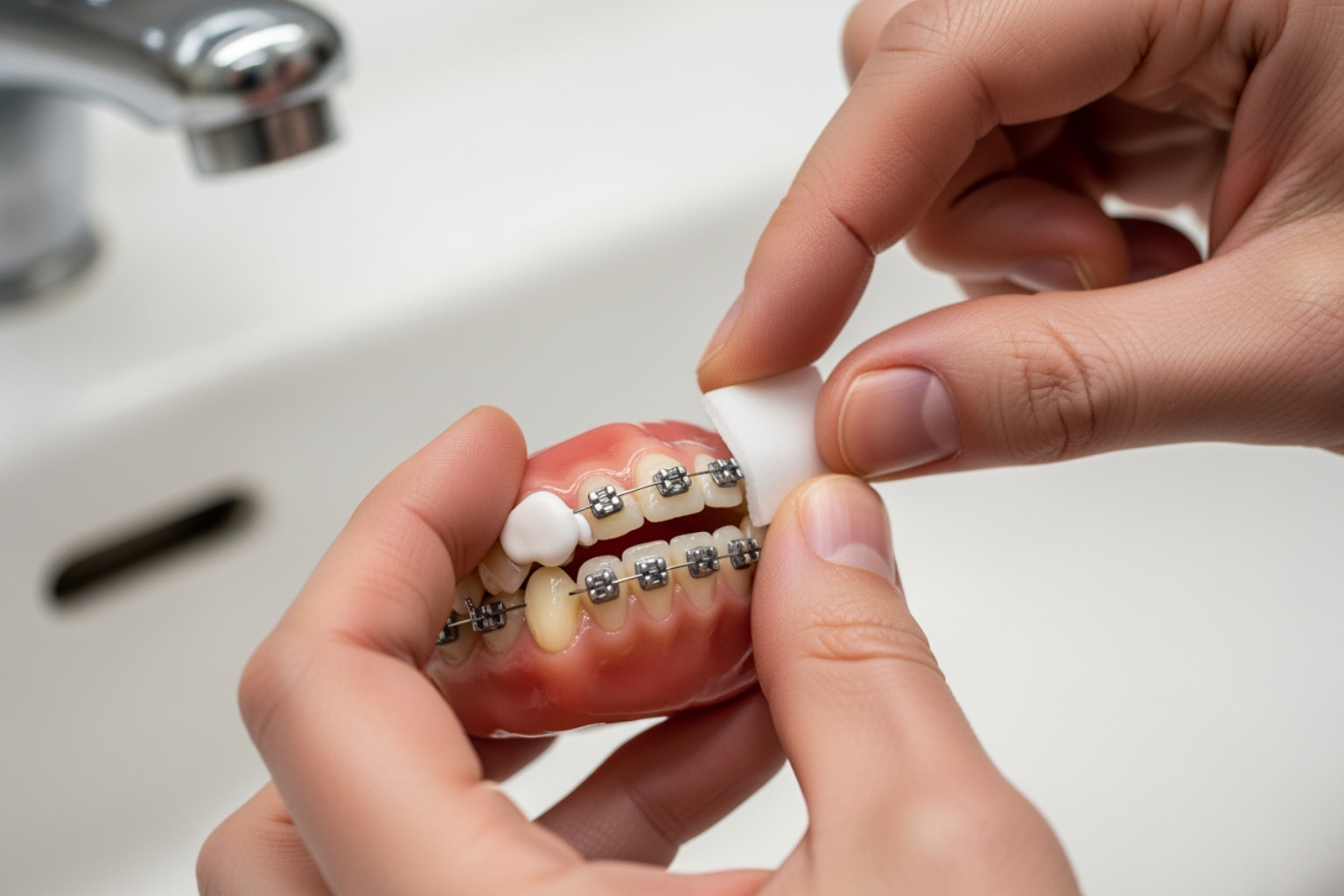
Managing braces requires a bit of DIY spirit from time to time. The most versatile tool in your arsenal is orthodontic relief wax. If a bracket or wire is rubbing against your lip or cheek, take a pea-sized piece of wax, roll it into a ball, and press it firmly over the offending part of the appliance. Make sure the area is as dry as possible before applying the wax so it sticks effectively.
If a wire has come out of its slot, you can sometimes use a pair of clean tweezers to gently guide it back into the bracket. If a small rubber band (ligature) has come off, you can try to replace it with tweezers, though this isn’t strictly necessary if the wire is still secure. For general soreness after an adjustment, I recommend rinsing with warm salt water: about half a teaspoon of salt in a cup of warm water. This can soothe the gum tissue and may help minor sores heal faster. You can find more tips on this in my guide to Caring for Your Braces.
Managing Clear Aligner and Retainer Complications
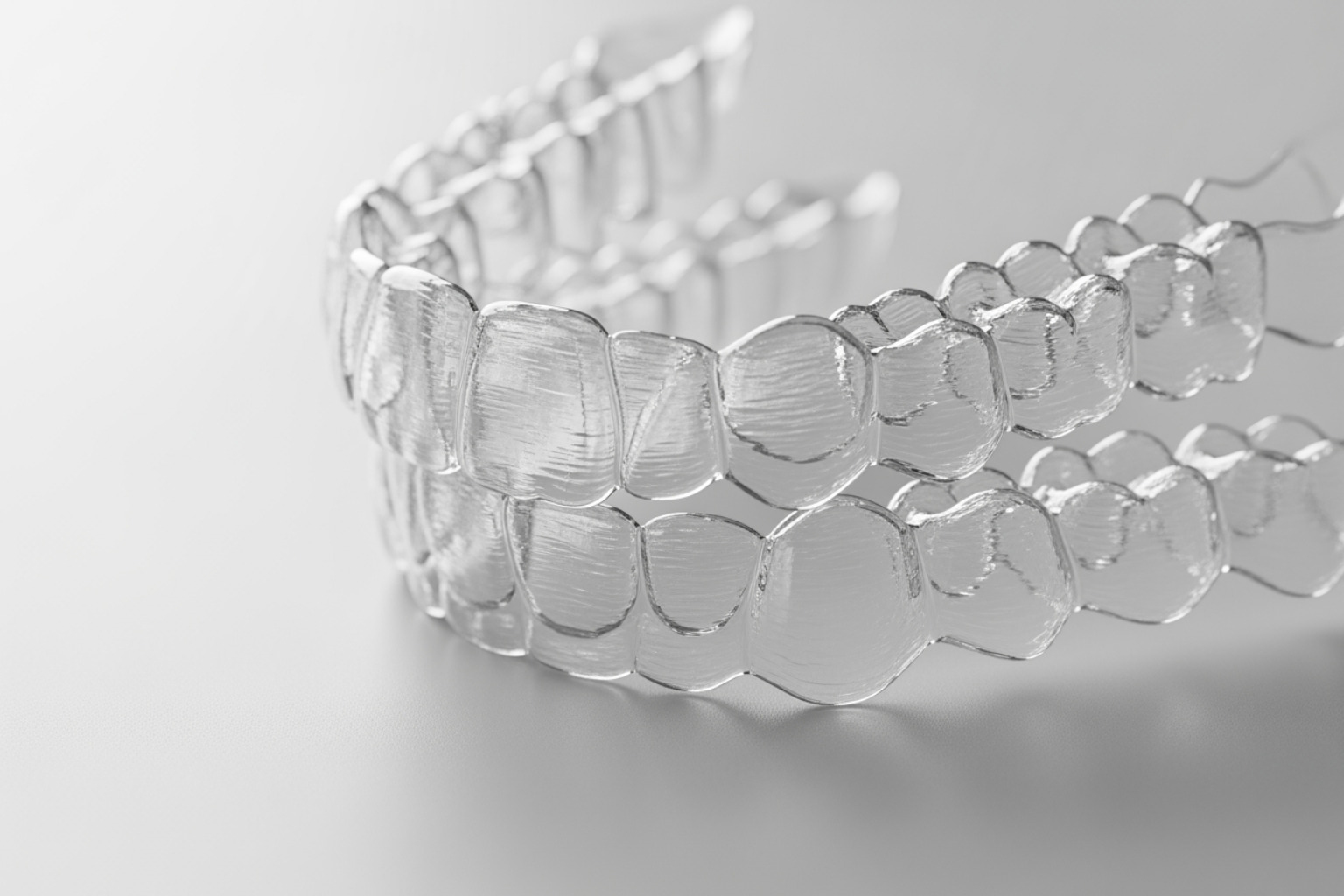
Clear aligners like Spark or Invisalign present their own set of unique challenges. Because these appliances are removable, the most common “emergency” is losing or breaking them. If you lose an aligner, please do not wait until your next appointment to tell me. Contact the clinic immediately so we can decide whether to order a replacement or have you move to the next set in your series.
If an aligner cracks but is still functional, you may be able to continue wearing it, provided it doesn’t have sharp edges that irritate your tongue or cheeks. However, if an aligner becomes distorted, perhaps from being left in a hot car or rinsed in boiling water, it will no longer move your teeth correctly. In these cases, I often suggest wearing your previous set of aligners to prevent your teeth from shifting back while we organise a new one. For more maintenance advice, see my page on Caring for Your Clear Aligners.
Essential Items for Your Orthodontic Emergency Kit
I recommend that all my patients in Brisbane keep a small “emergency kit” in their bag or school locker. Being prepared can turn a potential disaster into a minor five-minute fix. Having these tools ready means you won’t have to suffer through a poking wire during a school day or a work meeting.
Your kit should ideally include:
- Orthodontic Wax: The absolute essential for covering sharp edges.
- Small Mirror: To help you see exactly what is happening in the back of your mouth.
- Clean Tweezers: For repositioning wires or sliding loose brackets.
- Interproximal Brushes: To remove food that gets stubbornly stuck under the wire.
- Dental Floss: Useful for dislodging debris or even tying a loose wire in place temporarily.
- Salt Packets: For making a quick soothing rinse when you’re away from home.
By keeping these items handy, you can manage most orthodontic emergencies on the go. If you need more supplies, just ask me at your next appointment in Chermside or Spring Hill.
Your Next Step with Dr Nick
At NK Orthodontist, we believe that specialist care should be accessible and stress-free. Whether you are dealing with a poking wire or considering starting your treatment, I am here to ensure you feel supported every step of the way. With 30 years of experience and a commitment to seeing every patient personally at every visit, I make sure your treatment is never delegated.
We serve families across North Brisbane, offering transparent, all-inclusive pricing so you never have to worry about the cost of unexpected repairs or emergency visits. If you have any concerns about your appliances or are ready to begin your smile improvement, the best way to move forward is to book a consultation at one of our locations.
Frequently Asked Questions
What constitutes a true orthodontic emergency?
A true emergency involves significant trauma to the face, mouth, or teeth that requires immediate attention. These situations may include heavy bleeding that does not stop, difficulty breathing or swallowing, or suspected fractures of the jaw. If you experience these symptoms, you should seek emergency medical care or contact my clinic immediately for guidance.
What should I do if a bracket becomes loose?
If a bracket remains attached to the wire, you can gently slide it back to its original position using a clean pair of tweezers. Applying a small amount of orthodontic wax over the bracket can help prevent it from irritating your lips or cheeks. Please contact my office to schedule a repair appointment so we can ensure your treatment stays on track.
How can I fix a poking wire at home?
You can often push a protruding wire back against the tooth using the clean eraser end of a pencil or a cotton swab. If the wire continues to cause discomfort, covering the sharp end with a pea-sized ball of orthodontic wax may provide temporary relief. Trimming the wire with disinfected nail clippers is a last resort and should only be done under direct guidance from our clinical team.
Is general tooth soreness normal during treatment?
Mild soreness is a common experience for a few days after your braces are first placed or following a routine adjustment. Rinsing your mouth with warm salt water several times a day can help soothe the gum tissue and reduce irritation. Choosing soft foods like yogurt or smoothies during this period may also make eating more comfortable.
What if I lose or break my clear aligner?
You should contact my clinic as soon as possible to determine if you need a replacement or if you should move to your next set. In some cases, I may advise you to wear your previous aligner temporarily to prevent your teeth from shifting back. Keeping your aligners in their protective case when not in use is the best way to avoid these complications.
What should I do if I swallow a piece of my appliance?
You should remain calm and immediately check if you are experiencing any difficulty breathing or persistent coughing. If you suspect you have inhaled the piece into your lungs, seek emergency medical attention right away. Most small pieces will pass through the digestive system naturally, but you should still notify my office for a clinical assessment.
How do I remove food stuck in my braces?
Using a piece of dental floss with a small knot tied in it can help dislodge stubborn food particles trapped between your teeth and wires. An interproximal brush or a toothpick used very gently may also be effective for cleaning around the brackets. Maintaining a thorough brushing routine after every meal can prevent food from causing gum inflammation.
Can I prevent orthodontic emergencies from occurring?
Avoiding hard, sticky, or crunchy foods is one of the most effective ways to reduce the risk of breaking your brackets or bending wires. Wearing a custom-fitted mouthguard during contact sports can also protect your appliances and teeth from impact injuries. Regular attendance at your scheduled appointments allows me to monitor the integrity of your appliances and make necessary adjustments.


