

If you are comparing teeth straightening for teens, clear aligners and braces can both be appropriate options. The right choice depends on your teenager’s tooth and bite concerns, daily routine, and willingness to follow care.
I help Brisbane and North Brisbane families compare the practical differences at a specialist consultation in Chermside, including for families near 510 Rode Road.
Key Takeaways
- Clear aligners may suit teenagers who can reliably wear and care for a removable appliance.
- Fixed braces can be a practical option when ongoing wear does not need to depend on a teenager’s daily routine.
- Your teenager’s bite, tooth position, growth and activities all matter when comparing treatment options.
- Review the practice’s treatment planning and payment information before your consultation.
I am Dr Nick, a Specialist Orthodontist with more than 30 years of experience. I personally assess, plan and deliver orthodontic care for teenagers at every appointment, so I can explain how braces and clear aligners may fit your child’s clinical needs and routine.
Teeth Straightening for Teens: Clear Aligners and Braces
Most families want to know which option will work best with school, sport, meals and oral hygiene. I start with a clinical assessment, then talk through the day-to-day responsibilities so you and your teenager can make an informed choice.
Clear aligners are removable transparent trays. Braces use brackets and wires that stay in place throughout treatment. Both approaches can be considered for teen orthodontic needs, but they work differently in daily life.
| Feature | Clear aligners | Metal braces | Clear ceramic braces |
|---|---|---|---|
| Appearance | Transparent trays | Stainless-steel brackets | Tooth-coloured brackets |
| Removal | Removed for meals and cleaning | Remain in place | Remain in place |
| Routine | Needs consistent wear and care | Follows the treatment plan continuously | Follows the treatment plan continuously |
| Food choices | Removed before eating | Some hard, sticky and chewy foods may need to be avoided | Some hard, sticky and chewy foods may need to be avoided |
| Cleaning | Brushing and flossing without brackets | Requires care around brackets and wires | Requires care around brackets and wires |
Clear Aligner Systems for Teenagers
Clear aligners use a series of custom-made trays to guide planned tooth movements. Your teenager removes them for meals and oral hygiene, then puts them back in as directed.
Some teen aligner systems include wear indicators that help me discuss how consistently the trays have been used. I use digital modelling for clinical planning to map the sequence before the aligners are made.
Clear aligners can suit teenagers who are organised and comfortable taking responsibility for their appliance. If that routine is likely to be difficult, we can discuss whether braces may be a more practical fit.
Traditional and Ceramic Braces
Fixed braces use metal or ceramic brackets bonded to the teeth, connected by an archwire. They remain in place between review appointments, so daily wear does not depend on remembering to insert or remove an appliance.
Ceramic braces use tooth-coloured brackets for families who prefer a less noticeable fixed option. Metal and ceramic braces can both be considered when I need precise control of tooth and bite movements.
At review appointments, I assess progress and make appropriate adjustments. I may also discuss elastics or other components when they are relevant to your teenager’s bite.
Practical Considerations for Teen Orthodontic Care
The best option is one your teenager can manage consistently. Good brushing and flossing remain important with either approach, and parents can help support the routine.
Clear aligners come out for brushing and flossing. Braces need extra care around brackets and wires, including the cleaning tools I recommend. Healthdirect’s overview of orthodontic treatment is a useful Australian reference for families preparing for treatment.
Teeth Straightening for Teens and Active Lifestyles
Teenagers can usually continue with sport, music and school activities during orthodontic care. I will explain any practical adjustments that may help with your teenager’s appliance and activities.
For contact sports, teenagers with braces generally need an orthodontic mouthguard that fits over the brackets. Teenagers using removable aligners may need guidance about when to remove and replace them for sport.
Brass and woodwind players can need time to adapt to either appliance. If playing an instrument is important to your teenager, let me know at the consultation so we can discuss how it may affect the routine.
Treatment Routines and Review Visits
Orthodontic care does not follow the same pattern for every teenager. The pace of tooth movement, growth, bite relationship and appliance care can all influence the plan.
Consistent aligner wear and regular review visits help me monitor whether the appliance remains appropriate for the planned movements. With braces, attending scheduled appointments and following dietary guidance can help avoid interruptions.
Planning Your Teen’s Orthodontic Care
A thorough assessment gives your family a clearer basis for comparing the options. I review digital scans, photographs and radiographs where clinically appropriate to understand tooth positions, bite relationships and developing teeth.
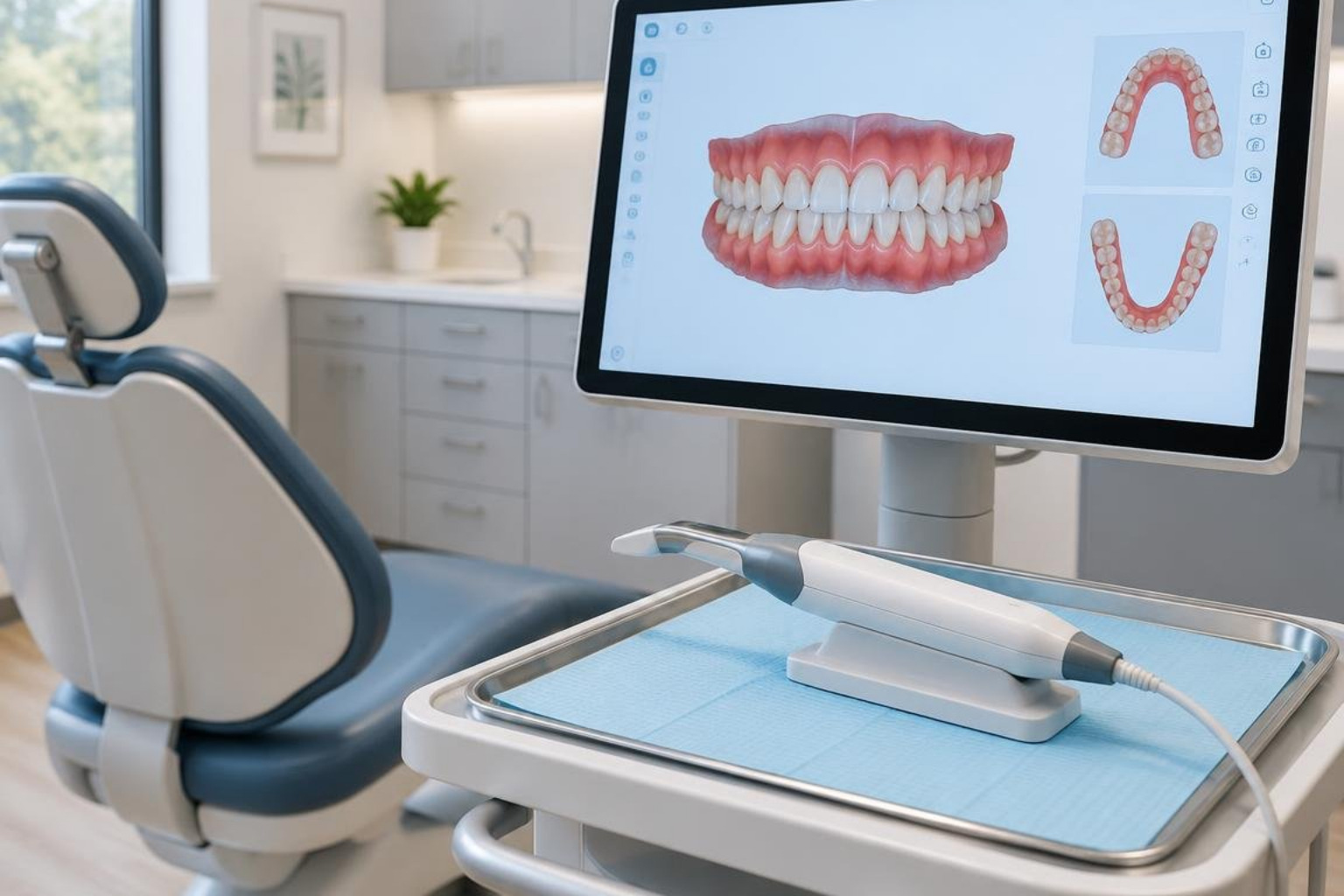
I will explain what I am looking for, which options may be relevant and what your teenager’s day-to-day care could involve. This gives you time to ask questions without assuming that one appliance is right for every case.
Bring up the routines that matter at home, including school lunches, sport, music, cleaning habits and how comfortable your teenager feels managing a removable appliance. These details help me give practical advice that reflects your family’s circumstances, not a one-size-fits-all comparison.
It can also help to bring a short list of questions to the consultation. You may want to ask how the appliance is likely to fit around school, how often I will need to review progress and what support your teenager will need with cleaning and care.
My role is to give you a balanced explanation of the clinical factors and practical commitments involved. You can then consider the options together with clear information, rather than feeling pressured to choose one approach before you understand how it may fit your teenager’s routine.
Your Next Step with Dr Nick
Choosing between clear aligners and braces is easier when you can discuss the options with the Specialist Orthodontist who will oversee your teenager’s care. With more than 30 years of experience, I personally assess, plan and provide every appointment at NK Orthodontist in Chermside.
I take a transparent, practical approach, so your family can understand the clinical considerations and daily routine before deciding how to proceed. When you are ready, you can book an orthodontic consultation with me.
Frequently Asked Questions
What is the difference between clear aligners and fixed braces for teenagers?
Clear aligners are removable transparent trays, and fixed braces use brackets and an archwire that stay on the teeth. Both can be considered for teen orthodontic care, but they involve different daily routines. I will assess your teenager’s tooth positions, bite and ability to manage the appliance before recommending an approach.
Do teenagers need to wear clear aligners all day?
Yes, clear aligners need to be worn as directed by the treating orthodontist for planned movement to track properly. They are usually removed for meals and oral hygiene. If consistent wear is likely to be difficult, braces may be worth discussing.
Can teenagers play contact sports during orthodontic treatment?
Yes, teenagers can often continue playing contact sports with the right precautions. Braces generally require an orthodontic mouthguard that fits over the brackets. I can advise on the practical approach for your teenager’s appliance and sport.
How does orthodontic treatment affect daily oral hygiene?
Both options need careful daily cleaning. Clear aligners are removed for brushing and flossing, while braces require attention around brackets and wires. I will show your teenager the techniques and tools that suit their appliance.
What happens if a teenager loses or damages an aligner tray?
Contact the practice promptly for advice. I will consider where your teenager is in their aligner sequence before advising the next step. Keeping previous aligners can help, but your teenager should not change trays without clinical guidance.
Are clear aligners suitable for complex teen orthodontic cases?
They can be considered for a range of cases, including some that need detailed planning. Some tooth or bite movements may be better managed with fixed braces. A consultation is the right place to compare options for your teenager’s clinical needs.
How should families choose an orthodontic provider for their teenager?
Choose a registered Specialist Orthodontist who can explain the options in a clear, balanced way. It is also useful to ask who will conduct appointments and how the treatment plan will be reviewed. At NK Orthodontist, I personally see each patient at every appointment.


