

Start Your Orthodontic Consultation With the Right Questions
The right orthodontic consultation questions can help you understand your options before you decide whether to begin treatment. Bring this list with you so you can leave with clear, practical information about your care.
Key Takeaways
- Ask which treatment approaches may suit your bite, dental development, routine, and priorities.
- Request a written explanation of what your care includes, then review our treatment pricing.
- Confirm who will assess you and oversee your appointments throughout active treatment.
- Ask how retainers, adjustments, and unexpected appliance concerns are managed.
About the Author
I am Dr Nick, a Specialist Orthodontist who has worked in private practice in Brisbane for more than 30 years. I have personally guided more than 11,500 patients through orthodontic consultations and ongoing care, so I know the questions that help patients and families feel informed before making a decision.
7 Orthodontic Consultation Questions to Ask
An initial consultation is your opportunity to understand what an orthodontic assessment may involve and how any recommended care could fit your needs. I encourage you to ask direct questions, take notes, and ask for clarification whenever something is unclear.
You do not need to have all the answers before you arrive. My role is to assess your bite and dental development, explain relevant options, and help you decide on an appropriate next step.
1. What Are My Treatment Options and Which Option May Suit My Bite?
Ask me to explain the options that may be relevant to your bite, tooth positions, jaw relationship, gum health, and daily routine. A clear explanation helps you understand why a particular approach may be recommended.
I may discuss conventional braces, clear ceramic braces, or clear aligners, depending on your clinical assessment and preferences. For children, I may also discuss whether monitoring or early intervention could be appropriate as their teeth and jaws develop.
Ask why an option is being recommended and what day-to-day care it may involve. This keeps the discussion focused on your individual circumstances rather than a one-size-fits-all plan.
2. What Should I Know About Treatment Timing and Appointments?
Ask what the active phase of care may involve and how appointments will fit around school, work, sport, and family life. The answer will depend on the type of care being considered and your individual clinical needs.
If clear aligners or elastics are discussed, ask how consistent wear can support the planned tooth movements. You can also ask what will happen at review visits and how I will monitor changes over time.
A practical discussion about timing helps you decide whether this is the right stage to begin or whether monitoring may be more appropriate.
3. What Does My Written Treatment Plan Include?
Ask for a written outline that explains what is included in your proposed care. This may cover diagnostic records, appointments, appliance adjustments, retainers, and how the practice handles unexpected issues.
You can also ask how payment arrangements are explained before you make a decision. Clear information at the consultation helps you compare the details of care without feeling rushed.
If anything in the plan is unclear, ask us to talk through it in plain language. You should know what is included and what you may need to plan for before treatment begins.
4. Who Will Oversee My Care?
Ask who will assess your bite, make clinical decisions, and see you at appointments. Continuity matters because it gives you a clear point of contact throughout your care.
At NK Orthodontist, I personally assess and see every patient at every appointment. You can read more about my specialist orthodontic experience before your visit.
You may also want to ask how the team communicates between appointments if you have a question or notice a change with your appliance.
5. What Technology and Imaging Do You Use for Clinical Planning?
Ask what records may be needed to assess your teeth, bite, and jaw relationship. These records can help me explain the factors I consider when planning care.
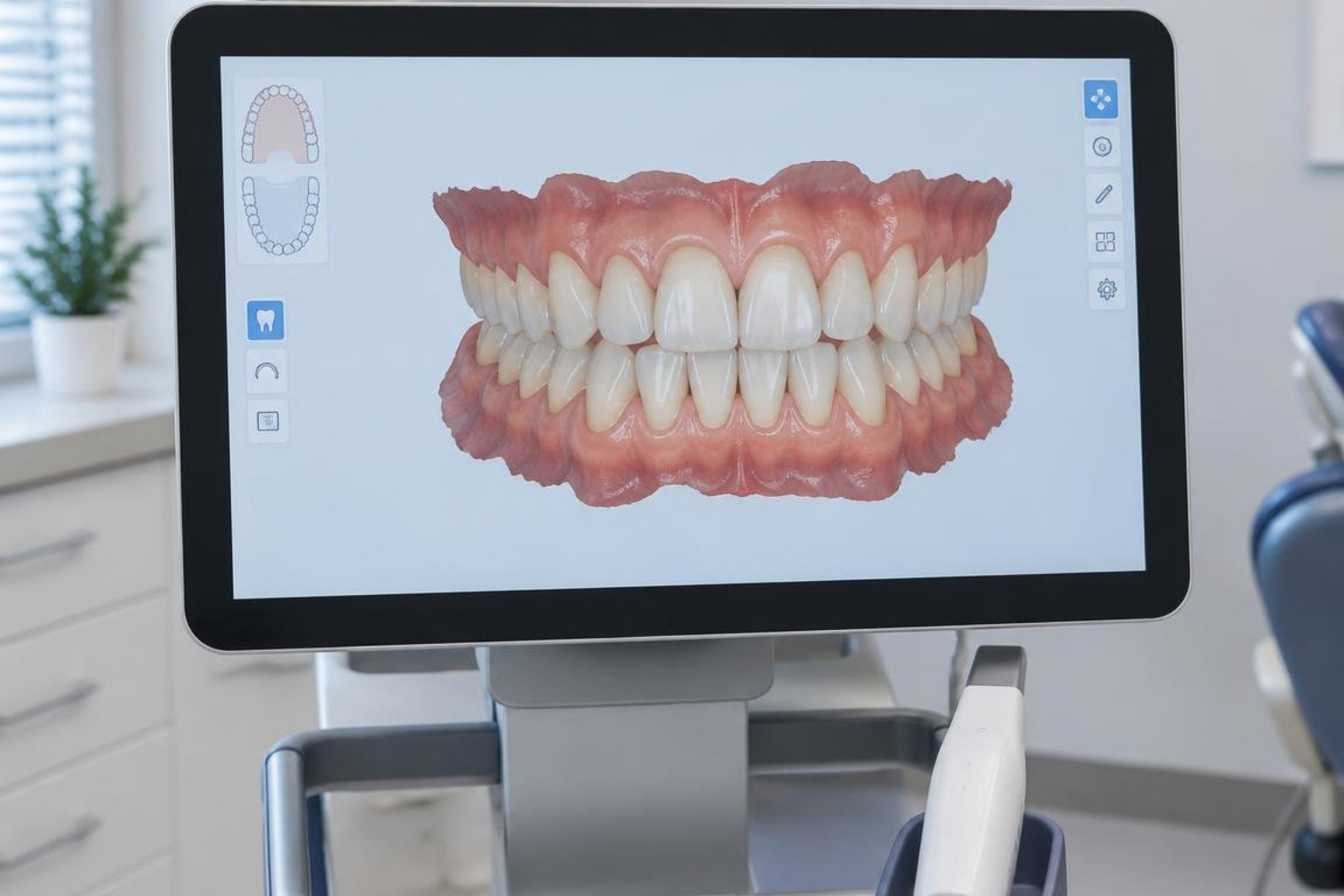
Digital intraoral scans may be used instead of traditional impression material, and digital X-rays may be considered when clinically appropriate. I use the information gathered to support digital modeling for clinical planning.
Ask how the records will be used and whether you will need any additional appointments before a treatment plan is finalised.
6. What Happens If I Have a Problem With My Appliance?
Ask what to do if you notice a loose bracket, a poking wire, or a misplaced aligner. Knowing who to contact and what information to provide can make an unexpected issue easier to manage.
Ask how the practice handles comfort concerns during opening hours and what guidance is available outside those times. In some cases, orthodontic wax may provide temporary relief until you can be assessed.
It is also useful to ask whether a repair or replacement changes your treatment plan. Clear instructions can help you respond promptly and appropriately.
7. What Retainers May I Need After Active Treatment?
Ask how retention will be planned after active tooth movement is complete. Retainers may be recommended to help maintain the positions achieved during treatment, as teeth and surrounding tissues can continue to adapt.
Depending on your circumstances, I may discuss clear removable plastic retainers made in-house, a fixed wire retainer behind the lower front teeth, or a combination of both. Ask how to care for the retainers and what to do if one is damaged or lost.
A clear retention plan gives you practical guidance for the period after active treatment.
How to Prepare for Your Orthodontic Assessment
A little preparation can help you make the most of your consultation. Write down the questions you want answered and bring any relevant dental or medical information you have available.
Helpful preparation may include:
- Noting your main concerns about your bite, tooth positions, or daily routine.
- Bringing recent dental X-rays or referral information, if available.
- Checking your health fund details if you plan to use them.
- Mentioning upcoming commitments that may affect how you manage appointments.
You can also read our guide to preparing for an orthodontic consultation before you visit.
Your Next Step with Dr Nick
A consultation should leave you with clearer information, not pressure to make an immediate decision. After more than 30 years in Brisbane orthodontic practice, I focus on explaining the clinical considerations, care arrangements, and practical details relevant to you.
At NK Orthodontist in Chermside, at 510 Rode Road, I provide direct clinical oversight and a transparent approach to planning for Brisbane and North Brisbane families. If you would like to discuss your questions in person, you can book a consultation with Dr Nick.
Frequently Asked Questions
Do I need a referral from a general dentist to book a consultation?
No, you do not need a referral to arrange an orthodontic consultation. You can contact the practice directly, and a referral or recent dental records may still be helpful if you have them. I will review the information that is relevant to your assessment.
What happens at an initial orthodontic consultation?
An initial consultation usually involves a discussion about your concerns, a clinical assessment, and consideration of any records that may be needed. I will explain the factors that may affect planning and answer your questions. You can then decide on an appropriate next step.
What should I bring to my first orthodontic appointment?
Bring any recent dental X-rays, relevant medical information, and your written questions if you have them. Health fund details may also be useful if you plan to use them. Your main priority is to arrive ready to discuss what matters to you.
Are orthodontic consultations appropriate for children?
Yes, an orthodontic consultation can be appropriate for children when a parent, dentist, or family member has questions about dental development or bite concerns. I can assess the current stage of development and advise whether monitoring or further discussion may be appropriate. Not every child needs treatment at the time of assessment.
Will I receive a written treatment plan after my consultation?
Yes, if treatment is being considered, you can ask for written information about the proposed care and its inclusions. This gives you time to review the details and ask follow-up questions. The plan should be clear enough to support an informed decision.
What should I do if I lose a clear aligner or break a bracket?
Contact the practice as soon as you notice the issue. I or a member of the team can advise you on the next step based on your stage of care. Avoid making major changes to your appliance unless you have been given specific guidance.
Can adults have orthodontic treatment?
Yes, adults can have an orthodontic assessment at any stage of life. I will consider your teeth, gums, bite, and overall oral health when discussing whether treatment may be appropriate. The consultation is a useful place to talk through the practical commitments involved.


